Leak source location (not guesswork)
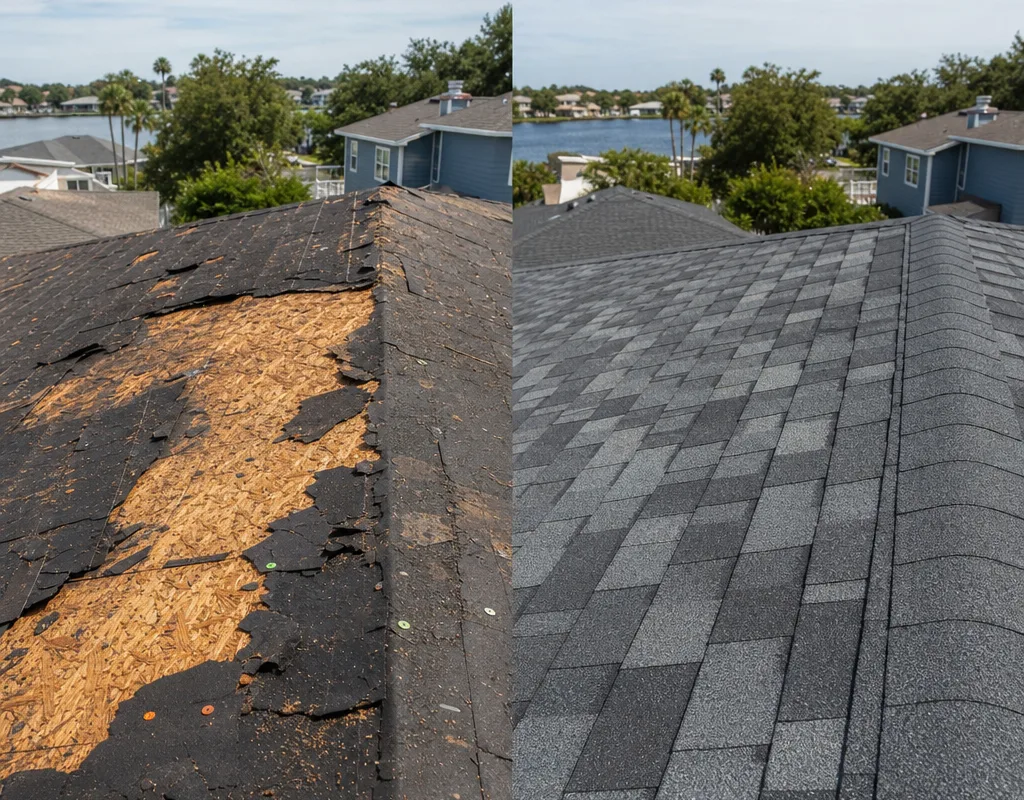
We trace water entry points at the roof, around penetrations, and at transitions like valleys and wall lines. Interior stains often appear far from the actual opening.
Serving Jacksonville, Florida & surrounding areas
24/7 Response • Answered live
One call instead of ten No web forms, no callback spam Booking Fall & Winter 2026
Emergency roofing service · Jacksonville, Florida
Fast response for active leaks and storm damage with a clear plan, safe temporary protection, and permanent repairs that match your roof system.
✓ Skip the 3-hour Google rabbit hole — we’ve already done the vetting
✓ One conversation, not ten voicemails and seven web forms
✓ 24/7 response — talk to a real person who actually knows Jacksonville
Stop the leak. Find the cause.
If water is coming in, you do not have time for vague advice or waitlists. This service is for emergency roof repair Jacksonville FL homeowners and property managers who need the leak stopped, the roof made safe, and a permanent repair scoped out with straightforward pricing.
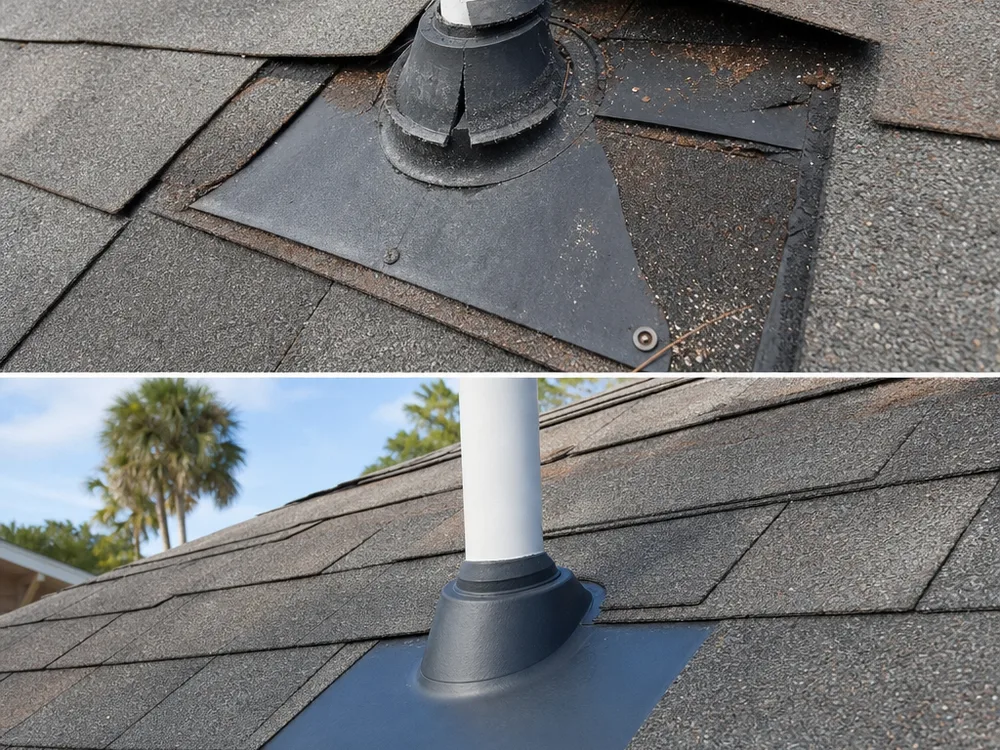
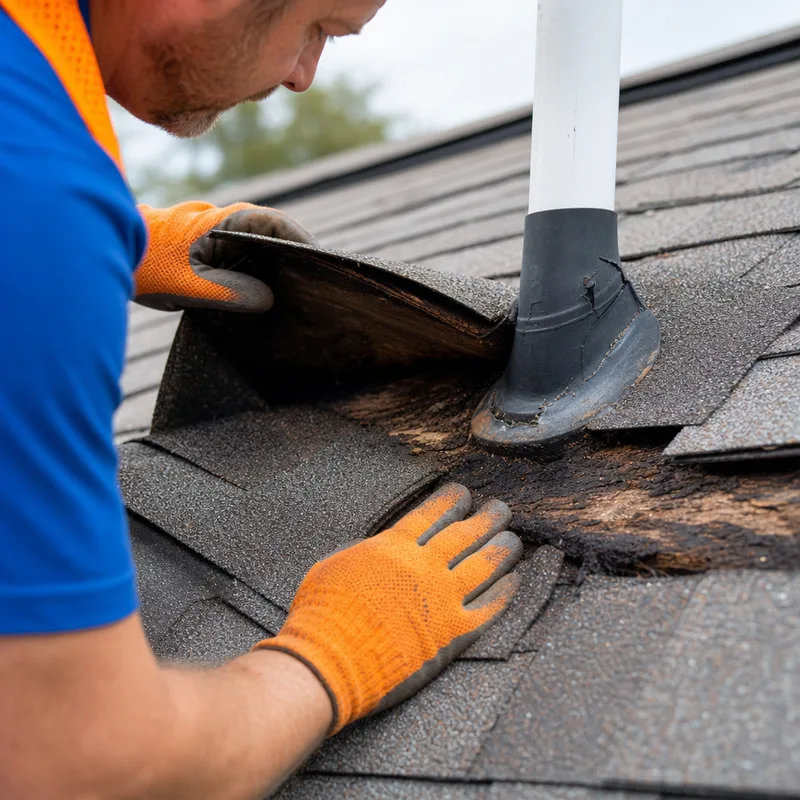
Roof emergencies around Jacksonville usually follow a few patterns: wind lifts or creases shingles, heavy rain finds a weak flashing joint, branches damage a slope, or an older vent boot finally splits and starts dripping into an attic. The priority is always the same. First, limit further damage with temporary weatherproofing. Next, identify the exact entry point—not just the stain on the ceiling. Then, complete a repair that matches the roof type so it holds up in Florida rain and wind.
Roofing Jacksonville Florida handles urgent roof repairs across Jacksonville, including help for active leaks, storm-related damage, and sudden failures that put interiors at risk.
Immediate protection and clear findings
We trace water entry points at the roof, around penetrations, and at transitions like valleys and wall lines. Interior stains often appear far from the actual opening.
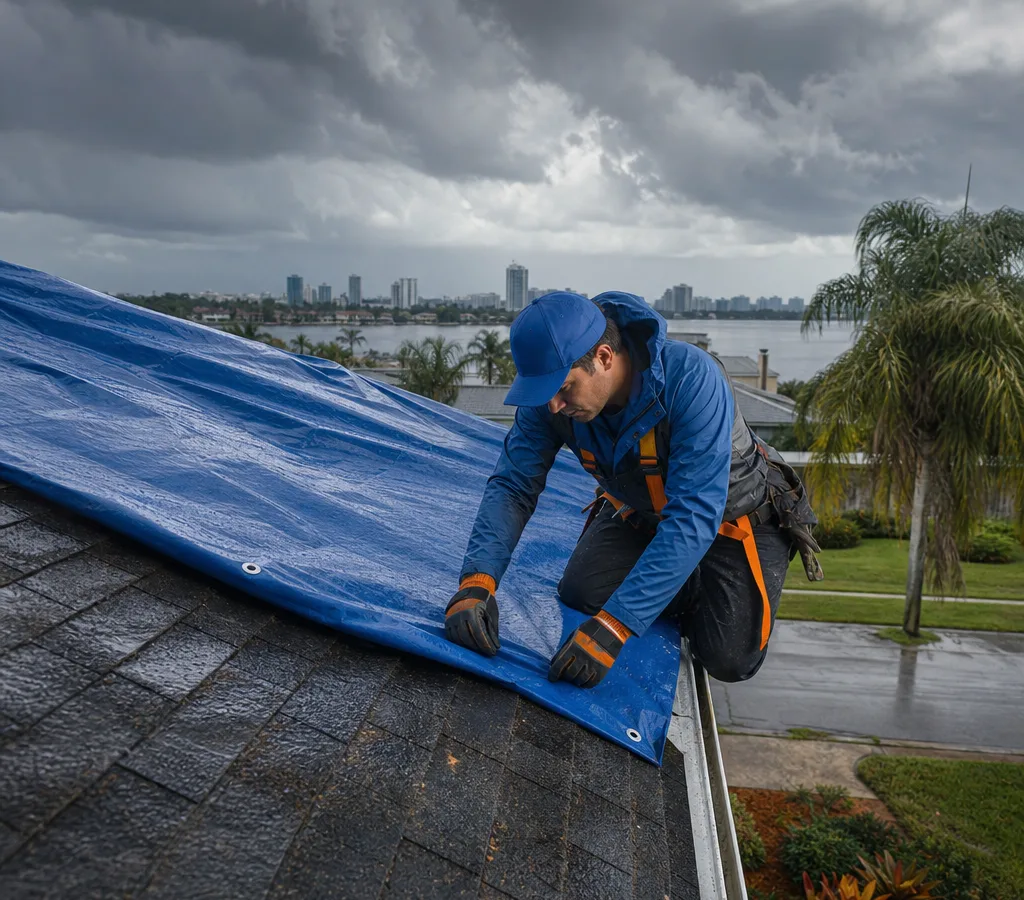
If conditions require it, we install a properly secured tarp or temporary patch to stop water intrusion until permanent work can be completed safely.
Many emergencies come from flashing failures around vents, chimneys, skylights, and roof-to-wall intersections. These repairs focus on the joint, not just the surface.
Wind damage, slipped materials, or exposed fasteners can open a path for water. Repairs are made to restore the roof covering and its fastening pattern.
You get a clear explanation of what failed, what we did immediately, and what the permanent repair needs so you can authorize work quickly.
Wet roofs, high pitches, and storm debris are real hazards. We only work when it is safe to do so and will secure the area while weather passes.
Local storm and leak conditions
Jacksonville weather can turn small roof weaknesses into sudden emergencies. Wind-driven rain can push water uphill under lifted shingles, and heavy downpours can overwhelm marginal details around flashing and penetrations.
We commonly see urgent issues in areas with lots of mature trees, where branches and debris can strike or scrape the roof during storms. Another frequent trigger is aging rubber components around pipe boots or cracked sealant at exposed fasteners, which can fail without much warning.
Neighborhoods near the St. Johns River and the Intracoastal often deal with strong gusts and sideways rain that test edges, ridges, and roof-to-wall flashing. In older parts of the city, repairs sometimes have to account for multiple generations of patching, where a quick fix covered the symptom but not the water pathway.
If you are coordinating a larger plan for the property, start with a stop-the-leak emergency visit first, then decide whether a broader repair strategy makes sense with your timeline and budget.
You tell us what you are seeing—dripping location, ceiling staining, missing shingles, or tree impact. We help you take safe, simple steps to reduce interior damage while we schedule the response.
We assess roof access and safety, then check the most likely failure points: valleys, flashing lines, penetrations, ridges, and edges where wind can lift materials.
When weather or damage conditions call for it, we tarp or patch the affected area to prevent additional water intrusion until permanent repairs can be completed.
We outline the exact repair: materials, affected area, and what needs to be removed and replaced, such as damaged shingles and the flashing detail that caused the leak.
After repairs are made, we re-check surrounding details so the fix is not isolated to one small spot while an adjacent joint continues to leak.
Emergency repair pricing
Emergency roof repair in Jacksonville typically ranges from about $250 to $1,500+, depending on roof type, access, and what failed. A small leak repair around a vent or a minor shingle replacement often falls on the lower end, while larger storm damage, multiple leak points, or temporary tarping plus a return visit can push costs higher.
Final pricing depends on slope and height, material matching, how much roof has to be opened to fix flashing correctly, and whether wet decking or underlayment needs replacement. The exact cost is confirmed after the on-site inspection and a written repair scope.
Protect people and interiors first
Start with safety. If water is near light fixtures or outlets, avoid that area and shut off power to the affected circuit if you can do so safely. Move furniture and electronics away from the leak path.
Contain the water. Use buckets and towels, and if you can access the attic safely, place a container under the drip and consider a plastic sheet to guide water into it. Do not step on wet attic drywall; it can fail under weight.
Do not climb onto a wet roof. In Jacksonville storms, slick shingles and gusty wind can turn a simple look into a serious fall.
When you reach out, it helps to share a few details: the roof material—shingle, tile, metal, or flat/low-slope—approximate age if known, where the interior leak shows up, and whether you noticed missing pieces or impact damage. That short description speeds up triage and helps us bring the right materials.
For more about our team and how we handle urgent work citywide, Roofing Jacksonville Florida is a good place to start.
Urgent roof repair answers
Response time depends on weather conditions and the day's call volume, but urgent active leaks are prioritized for the quickest possible dispatch. If lightning, high wind, or unsafe roof conditions are present, we will coordinate a safe window and provide guidance to reduce interior damage until the roof can be accessed.
Yes, tarping is often used as a same-visit stabilization when the roof cannot be permanently repaired immediately or when multiple areas are compromised. A proper tarp is secured to shed water and resist wind, not just laid over the damaged spot.
It is an emergency when water is actively entering the home, a storm has opened the roof to the elements, or damage creates a safety risk like loose materials or structural concern. If the issue is not actively leaking but is likely to fail soon, such as deteriorated flashing, it may still be treated with priority scheduling.
Yes, and most customers do not know the true entry point. We trace likely pathways at flashing, valleys, penetrations, and edges because ceiling stains and wall bubbles can appear far from where water actually enters the roof system.
Emergency repairs are based on the roof system in place, and the repair method needs to match that system. When we inspect, we confirm the material and the failure detail first, then recommend the correct fix, whether that is replacing damaged covering, rebuilding a flashing joint, or addressing fasteners and seal points.
It can, if conditions allow the full repair to be completed at the visit and the damaged area is limited. When weather, access, or broader damage prevents a complete repair, we stabilize first and then return for the permanent repair as soon as it can be done safely and correctly.
Share your location in Jacksonville, the roof type if you know it, when the leak started, which room is affected, and any obvious exterior signs like missing shingles, a tree limb strike, or debris. Photos from the ground and interior water damage are helpful, but do not climb onto the roof to get them.
Start with an urgent roof assessment
Tell us what happened and where the leak is showing up. We will prioritize the situation, protect the home, and provide a clear repair scope so you can move forward with confidence.