System type is clearly named
A solid quote states the metal roof system (standing seam, exposed-fastener panels, metal shingles) and the gauge or profile. If it just says “metal roof” with no specifics, you cannot compare apples to apples.
Serving Jacksonville, Florida & surrounding areas
24/7 Response • Answered live
One call instead of ten No web forms, no callback spam Booking Fall & Winter 2026
Metal roofing service · Jacksonville, Florida
Get a roof that stands up to coastal storms, heat, and salt air. We help you compare metal options, understand bids, and schedule an inspection with local pros.
✓ Skip the 3-hour Google rabbit hole — we’ve already done the vetting
✓ One conversation, not ten voicemails and seven web forms
✓ 24/7 response — talk to a real person who actually knows Jacksonville
System-first planning
If you are searching for metal roofing companies in Jacksonville FL, you are usually trying to answer three questions fast: Which metal system fits your house, which contractor will install it correctly, and what the job will really include.
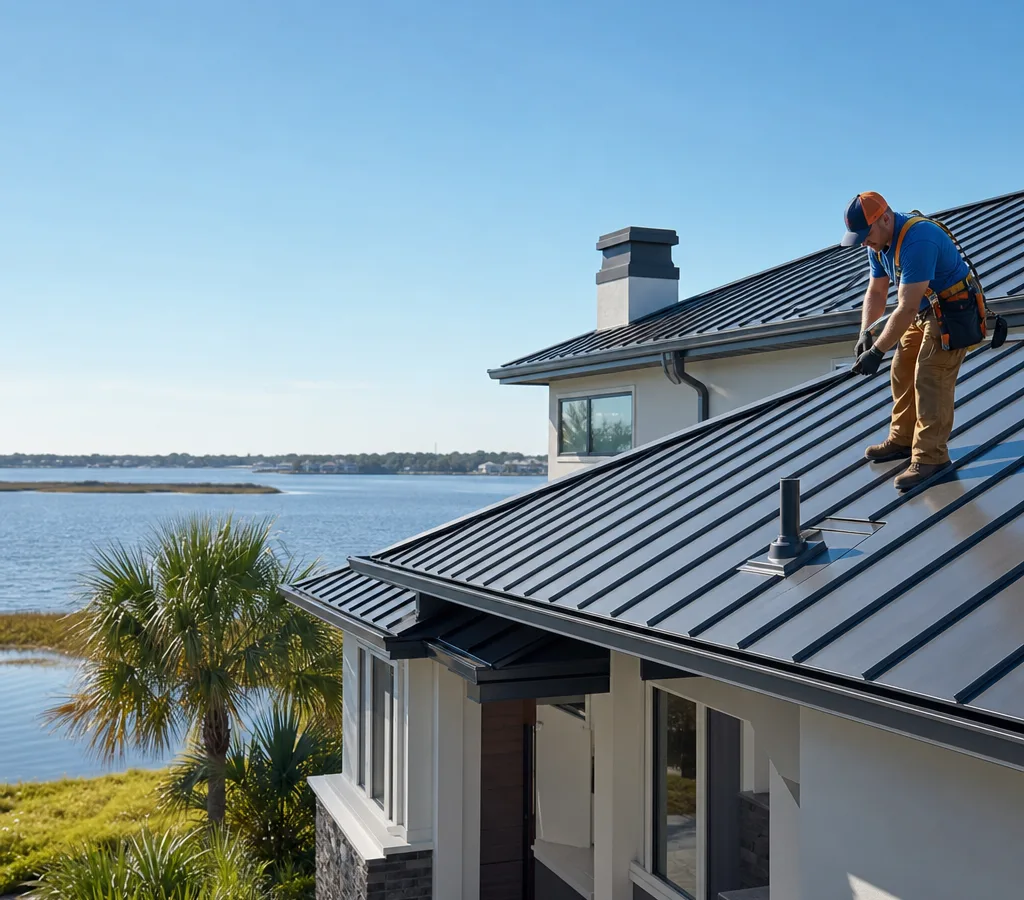
Jacksonville roofs take a beating from long hot seasons, heavy rain, and tropical-weather wind events. Metal can be a strong choice, but only when the installer treats it like a system, not just panels and screws. The details that separate a lasting install from an early leak are almost always the same: correct underlayment, proper fastening patterns, clean flashing at penetrations, and edge metal that is built for wind.
Roofing Jacksonville Florida coordinates metal roof installs, repairs, and replacements across Jacksonville (ZIP 32202 and surrounding areas). If you already have a bid, we can help you sanity-check the scope. If you are starting from scratch, we can set up an inspection so you get a clear plan before materials are ordered.
You can also learn what our team handles day to day at Roofing Jacksonville Florida.
Compare complete scopes
A solid quote states the metal roof system (standing seam, exposed-fastener panels, metal shingles) and the gauge or profile. If it just says “metal roof” with no specifics, you cannot compare apples to apples.
In Florida, water intrusion usually comes from wind-driven rain at edges, valleys, and penetrations. Your scope should spell out underlayment type and where self-adhered membrane is used.
Ask how the drip edge, rake edge, and panel attachment are handled. Edge details matter in coastal wind events, especially on open lots and higher roof elevations.
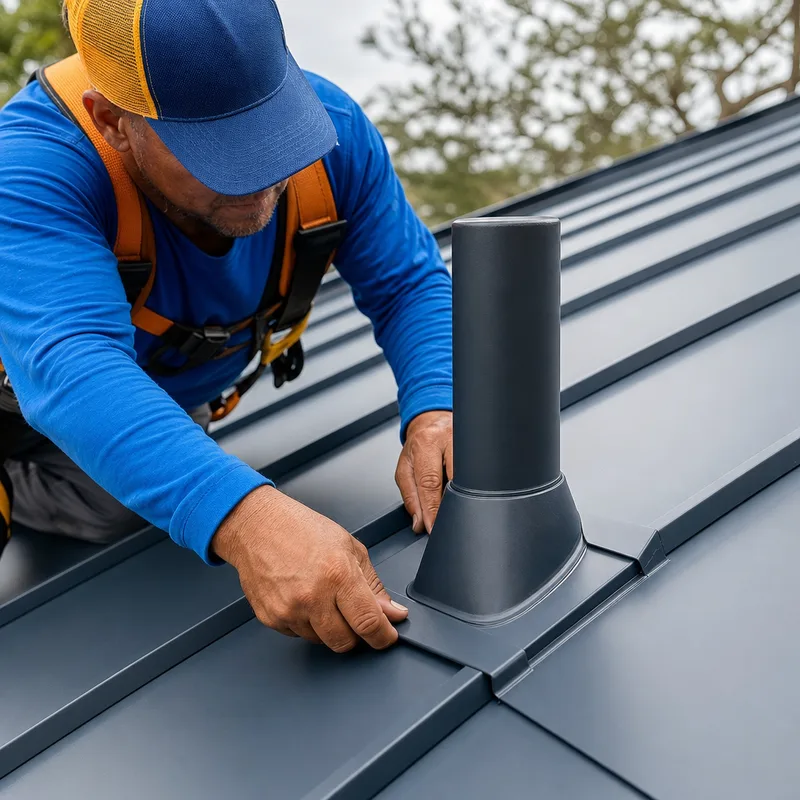
Pipe boots, wall flashings, chimney or masonry transitions, skylights, and roof-to-wall areas should be listed. Many low bids assume reusing old flashing that is already at the end of its life.
Metal reflects heat, but the attic still needs balanced intake and exhaust ventilation to help manage moisture and reduce HVAC strain. A good contractor explains what changes, if any, are needed.
Your quote should state who pulls permits when required, how debris is removed, and what the final magnet sweep and property protection steps are.
Choose the right system
Most homeowners end up choosing between two broad categories:
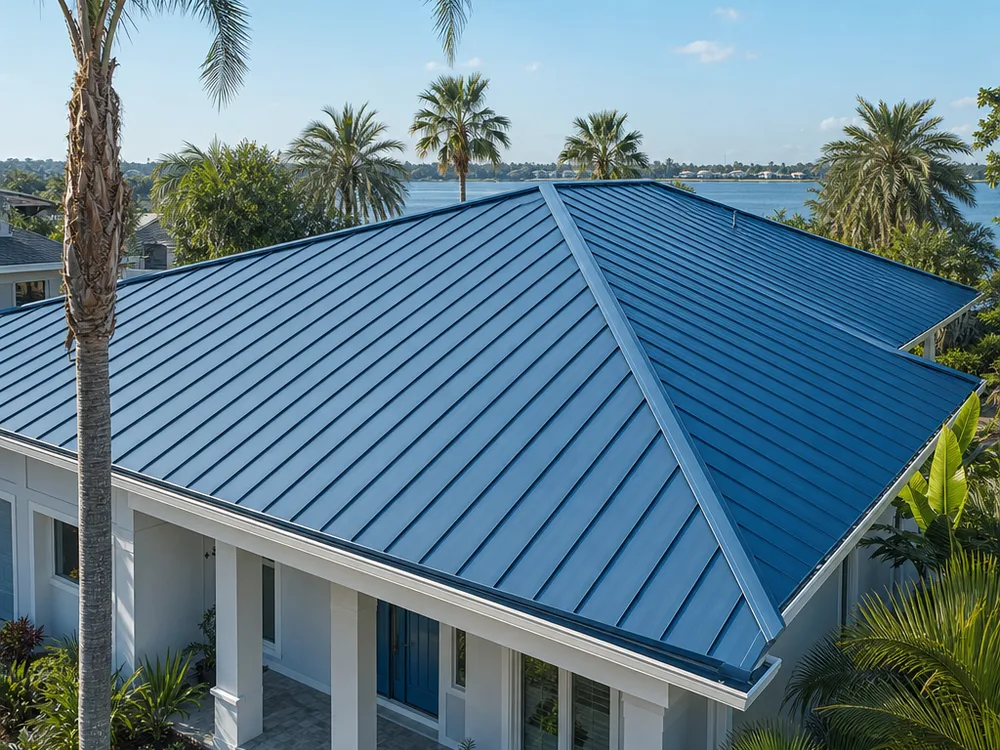
Standing seam metal roofing: This is a premium system with hidden fasteners. It is popular for modern coastal looks and for homeowners who want fewer exposed points of water entry. It also needs correct detailing at seams, transitions, and penetrations. Standing seam is not a one-size-fits-all product. Panel width, seam height, and clip or attachment method change how the roof performs.
Exposed-fastener metal panels: This can be a cost-effective option for certain roof shapes and budgets. The tradeoff is that fasteners and washers are part of the weathering surface. A quality install uses the right screw type, correct spacing, straight rows, and closure strips where required. Periodic maintenance matters more on this style.
Metal shingles and specialty profiles: These can fit neighborhoods with stricter architectural preferences while still delivering metal durability. They are more labor-intensive and rely heavily on correct starter and flashing work.
In Jacksonville neighborhoods with older housing stock like Riverside and Avondale, rooflines can be more complex, with multiple hips, valleys, and additions. Complex geometry increases flashing work and waste factors, so the best metal roofing companies will measure carefully and explain where the complexity shows up in the price.
On newer builds in areas like Nocatee, you may see simpler roof planes that are efficient for standing seam layouts, but HOA or architectural guidelines can affect approved colors and profiles. On the Beaches communities, salt air can accelerate corrosion on incompatible materials, so coating and fastener selection should be discussed, not assumed.
Inspection to final review
We inspect the existing roof, decking condition, penetrations, and roof-to-wall transitions. Measurements capture roof planes, valleys, ridge length, and any areas that need custom trim or flashing.
You receive a written scope that names the metal system, underlayment, flashing approach, ventilation plan, and cleanup. If you are comparing bids, we point out what is included or missing so you can compare fairly.
When permitting is required, it is coordinated before the tear-off or overlay begins. Lead times can vary based on the specific panel profile and color, so scheduling should match actual material availability.
The crew protects landscaping and access paths, then removes old roofing or prepares the surface for an approved overlay when appropriate. Any damaged decking is identified and addressed before underlayment goes down.
Underlayment and membranes are installed per the scope, followed by edge metal, valleys, and flashing. Panels or shingles go on next with the correct fastening pattern for the system and roof geometry.
We do a final inspection of penetrations, transitions, and cleanup, then review care and maintenance points that help your roof perform long term.
Budget planning
Most metal roof projects in Jacksonville typically range from about $12,000 to $35,000+, with smaller, simpler roofs sometimes landing lower and complex roofs or premium standing seam systems landing higher. As a rough guide, exposed-fastener panels often price below standing seam, and specialty metal shingles usually price closer to the premium end.
Your final price depends on roof size and pitch, tear-off versus overlay, decking repairs, the amount of flashing work at valleys, walls, chimneys, and skylights, ventilation changes, and the specific metal profile, gauge, and finish. The exact cost is confirmed after an on-site inspection and a written scope.
Workmanship details
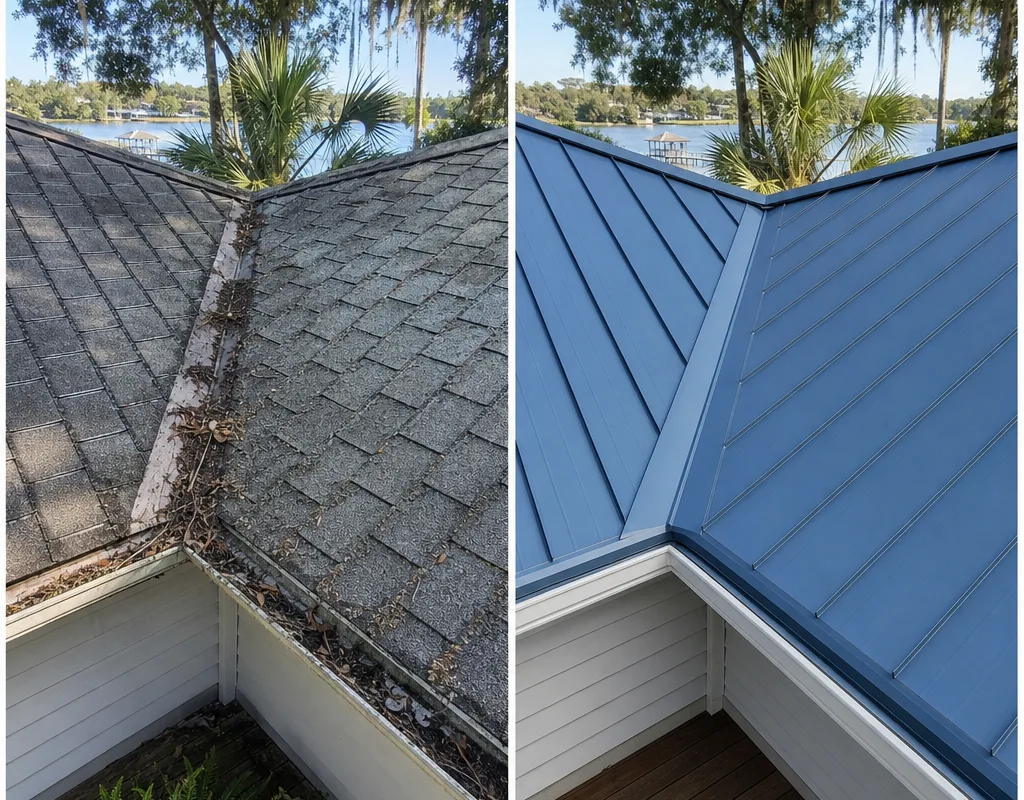
Homeowner perspective
“We had two metal bids that looked similar until we compared the flashing and underlayment scope. The walkthrough made it obvious what we were actually paying for, and the install went the way it was explained.”
“Our roof has multiple valleys and a couple of roof-to-wall sections. The crew spent time on the details and the cleanup was thorough. We appreciated the clear scope before work started.”
Practical answers
Many metal roofing companies handle repairs, but the repair approach depends on the system you have. Standing seam repairs often focus on flashing, penetrations, and transition details, while exposed-fastener roofs may need fastener replacement, sealant corrections, or targeted panel swaps. A proper inspection should identify whether you have a localized issue or a system-wide problem like widespread fastener backing out or underlayment failure.
Yes, metal roofing can perform well in Jacksonville because it sheds water efficiently and can be installed with wind-focused attachment details. The key is selecting a system with appropriate fastening or clip design and making sure edges, valleys, and roof-to-wall areas are flashed correctly for wind-driven rain. Ask the contractor to explain how the edge metal and penetrations are handled, because those are common leak points during storms.
Sometimes, but it depends on the existing roof condition, local code requirements for the specific situation, and whether the roof deck and structure are suitable. Overlaying can reduce tear-off mess, but it can also hide decking problems and complicate flashing transitions if done incorrectly. A reputable contractor will inspect the deck condition, explain code and manufacturer requirements, and recommend tear-off when it is the safer long-term choice.
A solid estimate names the metal profile and finish, the underlayment type, the flashing scope at valleys, vents, walls, chimneys, and skylights, edge metal details, ventilation plan, disposal and cleanup, and how decking repairs are handled if discovered. If any of those are left as vague allowances, ask for them to be spelled out so you can compare bids without guesswork.
Many residential metal roof installations take a few days to about a week once materials are on site, but timelines vary based on roof size, pitch, complexity, weather, and how much decking repair is needed. In Jacksonville, afternoon storms can interrupt scheduling in the wetter months, so it helps to plan for a buffer and confirm how the crew protects the home if weather delays occur.
Standing seam typically offers hidden fasteners and a cleaner look, while exposed-fastener panels often cost less upfront but place fasteners and washers on the weathering surface. Your roof shape and penetration count matter: roofs with lots of vents, walls, or valleys can benefit from a system where the flashing plan is clearly engineered. Ask each contractor to walk you through penetration flashing, edge metal, and how the system handles movement and expansion.
Start with an on-site inspection
Share your address and what you are considering—standing seam, exposed-fastener panels, repair, or replacement. We will set up an inspection in Jacksonville and provide a written plan you can compare confidently.