Diagnosis you can follow
We explain the likely travel path of the water and the exact components being repaired, so you understand what changed when the work is done.
Serving Jacksonville, Florida & surrounding areas
24/7 Response • Answered live
One call instead of ten No web forms, no callback spam Booking Fall & Winter 2026
Roof repair service · Jacksonville, Florida
Stop leaks fast with a written scope, clear pricing, and repairs that hold up to Florida storms. Our crews diagnose the cause, not just the stain, so you can get back to normal without guessing what was fixed.
✓ Skip the 3-hour Google rabbit hole — we’ve already done the vetting
✓ One conversation, not ten voicemails and seven web forms
✓ 24/7 response — talk to a real person who actually knows Jacksonville
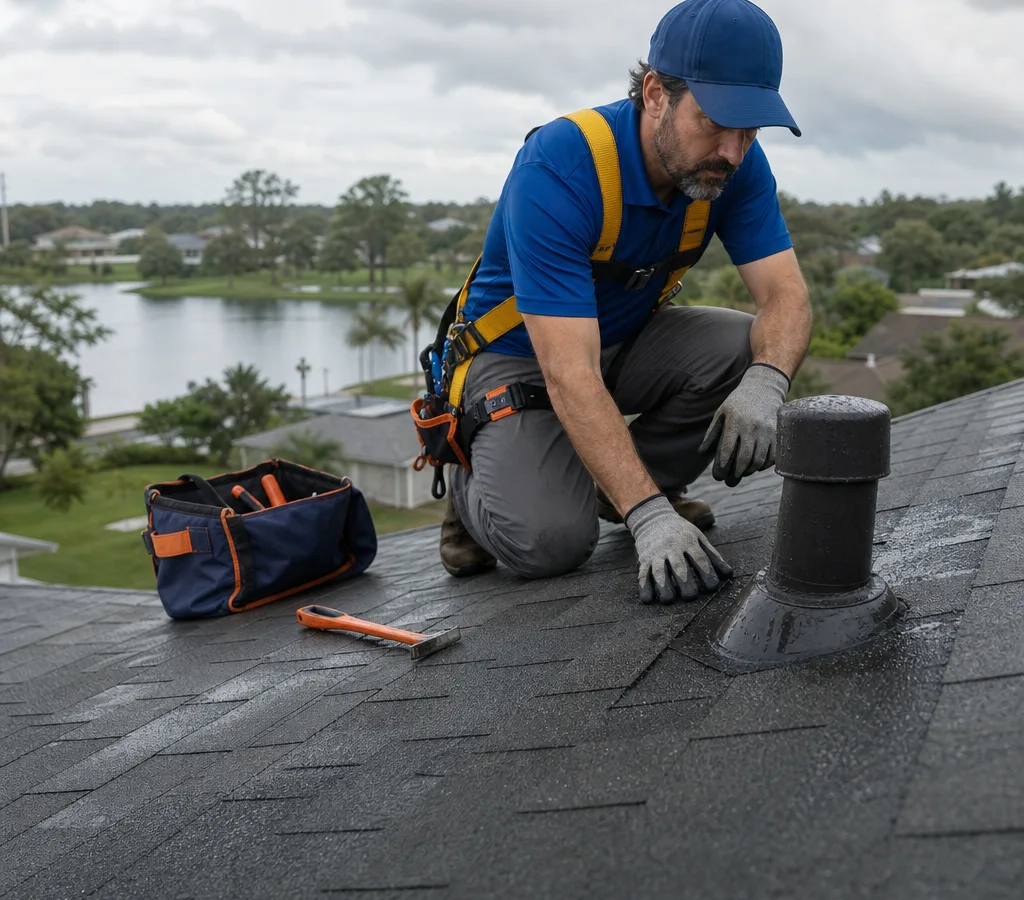
Diagnose first. Repair the cause.
When you search for roof repairs Jacksonville, you usually need two things right away: the leak stopped and a clear explanation of what failed. At Roofing Jacksonville Florida, we focus on finding the entry point, documenting what we see, and completing a repair that matches the roof system you actually have.
Jacksonville roofs take a beating from heavy rain, wind, and humidity. Leaks often show up far from the true source because water follows decking seams, underlayment laps, and roof penetrations before it reaches a ceiling. That is why our repair visits start with a careful inspection of the most common failure points: step and counter flashing at walls and chimneys, pipe boot flashings, valleys, transitions, skylight curbs, and exposed fasteners on metal systems.
If you are comparing contractors, one sign of a solid roof repair in Jacksonville FL is a scope that names the components being repaired—flashing, underlayment, decking, shingles, tiles, or metal panels—and how they will be reinstalled. Vague promises like “seal it up” rarely age well in Florida weather.
Common leak sources
A roof leak is often a flashing problem, not a field-shingle problem. We handle common repair work for shingle, tile, and metal roofs, including:
Because Jacksonville storms can drive rain sideways, we pay extra attention to edges, transitions, and any place water can get pushed uphill. If the roof is wet or actively leaking, we can discuss short-term stabilization while we plan the durable fix.
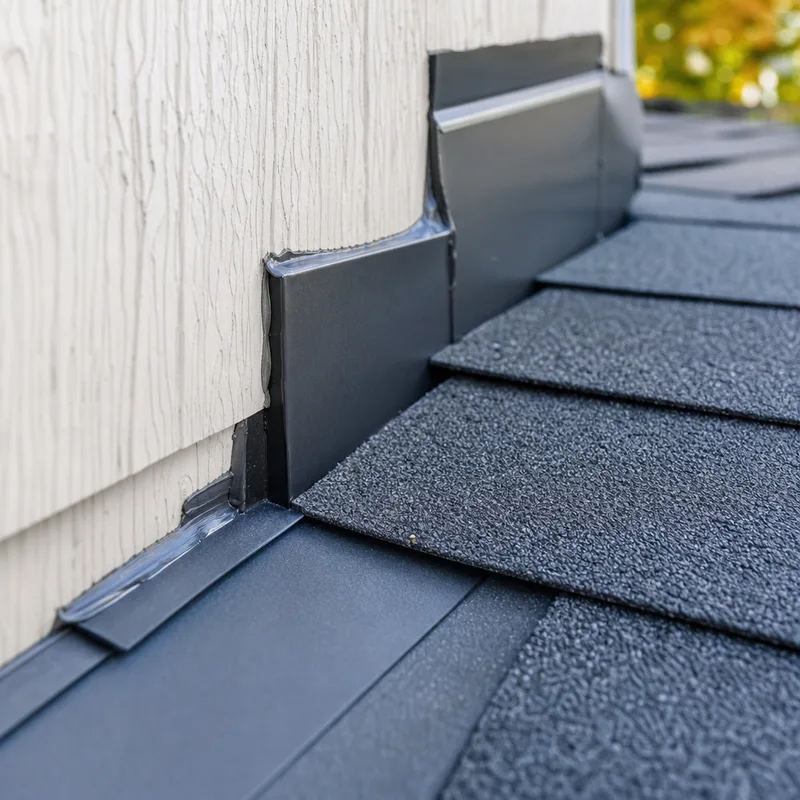
A repair plan you can understand
We explain the likely travel path of the water and the exact components being repaired, so you understand what changed when the work is done.
A shingle repair, a tile repair, and a metal roof repair are not the same job. We use the right fasteners, flashings, and detailing for the roof type.
Wind-driven rain exposes weaknesses at valleys, penetrations, and transitions. Those are the first places we reinforce during roof repairs in Jacksonville.
We protect landscaping where possible, control debris, and keep you updated if we find hidden damage once materials are opened up.
If the repair grows beyond a simple fix, you get a clear plan and options before we proceed.
Neighborhood and climate context
Jacksonville has a mix of older neighborhoods and newer builds, and that affects how repairs are approached.
In Riverside and Avondale, you can run into older rooflines, multiple transitions, and additions completed at different times. Those changes often create tricky flashing details where two roof planes meet.
Around San Marco, many homes have mature tree cover. That shade and debris load can accelerate wear in valleys and around gutters, and it can hide small problems until the next heavy rain.
In the Beaches area, salt air and coastal wind can be hard on exposed fasteners and metal components. Small corrosion points can turn into leaks at penetrations and along edges.
Downtown and surrounding commercial corridors often involve flat or low-slope sections mixed with steeper areas. Low-slope leaks typically demand a different repair strategy than steep-slope shingle work.
No matter the neighborhood, humidity and frequent rain mean materials and details have to be right. A quick surface patch can fail early if the underlying flashing or underlayment laps are wrong.
From symptoms to verification
We start with what you have noticed: where staining appears, whether it leaks only in heavy rain, and whether wind seems to trigger it.
We check penetrations, transitions, valleys, and edge details, plus any visible damage like lifted shingles, cracked tiles, or separated sealants.
For straightforward repairs, the scope spells out exactly what is being replaced or reworked. If we find broader deterioration, we explain practical next steps.
We replace damaged materials, restore flashing integrity, and resecure components. When conditions allow, we verify the repair with a controlled water test or post-storm check.
Simple items like keeping valleys clear, watching penetrations, and addressing small wind damage early can help prevent repeat leaks.
Repair budget planning
Roof repair in Jacksonville typically ranges from about $250 to $1,200 for many common issues, while more involved repairs with decking replacement, complex flashing work, or harder access often run $1,200 to $3,500+.
Your price depends on the leak source, roof type—shingle, tile, metal, or low-slope—how much material must be removed to reach the failure, the height and pitch, and whether any wood is damaged. The exact cost is confirmed after an on-site inspection and a written scope.
Jacksonville homeowner experiences
“After two rounds of ‘patching’ by someone else, they traced the leak to flashing near a wall transition and fixed it the right way. The explanation and scope were clear, and the ceiling stayed dry through the next storm.”
“They found a backed-out fastener issue on our metal roof and replaced the problem hardware instead of smearing sealant everywhere. Professional, tidy, and straightforward about what would and would not be included.”
Homeowner questions
Same-day help is sometimes possible for active leaks, but it depends on weather, safety, and material availability. When immediate full repair is not possible, the first priority is stabilization and preventing further water intrusion until conditions allow the permanent fix.
Water often travels under shingles or along decking seams before it drops into the attic and shows up on a ceiling. During roof repair in Jacksonville FL, we trace likely travel paths from the stain back to penetrations, valleys, and flashing transitions where leaks commonly start.
If the problem is isolated—like a failed pipe boot, localized wind damage, or a flashing issue—a repair is usually the right first step. If widespread deterioration, repeated leaks in multiple areas, or significant decking problems are present, replacement may be more cost-effective long term, and an inspection helps confirm which situation you are in.
Yes. We can replace wind-damaged shingles or tiles, resecure loosened materials, and address the flashing details that often fail during storms. For insurance-related situations, photos and a written scope help support a clear record of what was observed and repaired.
Only if the decking is soft, delaminated, or structurally compromised. When we find damaged wood during roof repairs in Jacksonville, we explain the affected area and why replacement is necessary before reinstalling underlayment and the roof surface.
If it is safe, move items away from the leak area, place a container under active drips, and use towels to limit spread. Avoid going on the roof in wet or windy conditions; it is safer to document interior staining and note the time and weather when leakage occurs.
Start with a clear inspection
Share what you are seeing and when it happens, and we will schedule an inspection, pinpoint the cause, and provide a written scope for the repair.