
Leak-source diagnosis, not guesswork
We trace the leak to the entry point, which is often uphill from the interior stain. Repairs are based on how water travels across tile systems, valleys, and flashing lines.
Serving Jacksonville, Florida & surrounding areas
24/7 Response • Answered live
One call instead of ten No web forms, no callback spam Booking Fall & Winter 2026
Tile roof repair · Jacksonville, Florida
Fix leaks, cracked tiles, and storm damage with a repair plan that matches your roof system, not a one-size approach. We inspect, document what we find, and complete repairs built for Florida wind and rain.
✓ Skip the 3-hour Google rabbit hole — we’ve already done the vetting
✓ One conversation, not ten voicemails and seven web forms
✓ 24/7 response — talk to a real person who actually knows Jacksonville
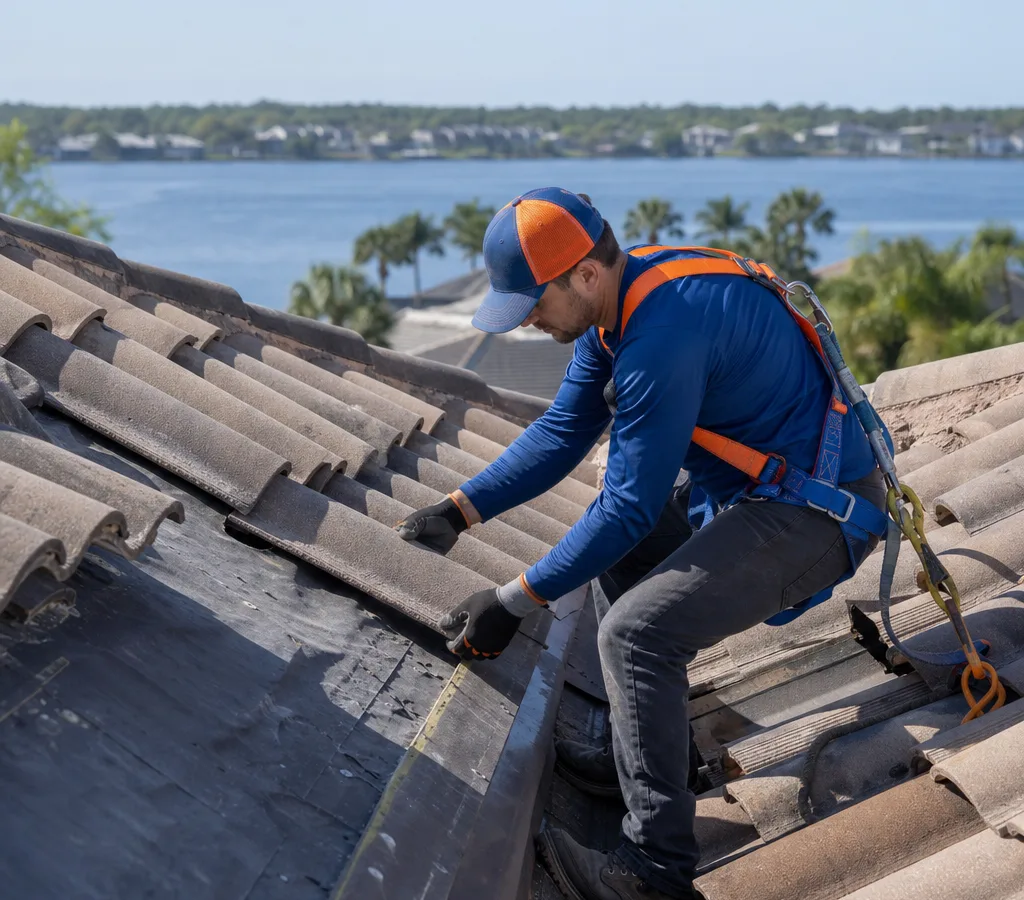
Jacksonville tile roof service
If you searched for tile roof repair Jacksonville FL, you are probably dealing with a leak, a slipped tile, or damage after heavy rain and wind. Tile roofs are durable, but the system is detailed: one broken or displaced tile can push water toward underlayment seams, valleys, flashing, and penetrations.
In Jacksonville, we see repairs driven by fast-moving summer storms, occasional tropical systems, and weeks of heat that age sealants and flashings. The goal is simple: stop water entry and restore the roof's intended water-shedding paths without creating new weak spots.
Roofing Jacksonville Florida handles tile roof repairs across the Jacksonville area, including older established neighborhoods like Riverside and Avondale where many homes have complex rooflines, and coastal-side areas where wind-driven rain can exploit small gaps around hips, ridges, and sidewalls. If you are comparing contractors, you can also get a sense of our overall approach to roof work through Roofing Jacksonville Florida.
Clay and concrete tile systems
Tile roof repair is rarely about replacing a big surface area. It is usually about diagnosing where water is getting past the primary covering and correcting the exact failure point.
Common tile roof repairs we perform include:
Because tile roofs depend on proper laps and drainage details, we work carefully to avoid damaging adjacent tiles during access and removal. When a repair requires temporary lifting of tiles, we protect the underlayment and re-seat tiles to maintain the intended water flow paths.
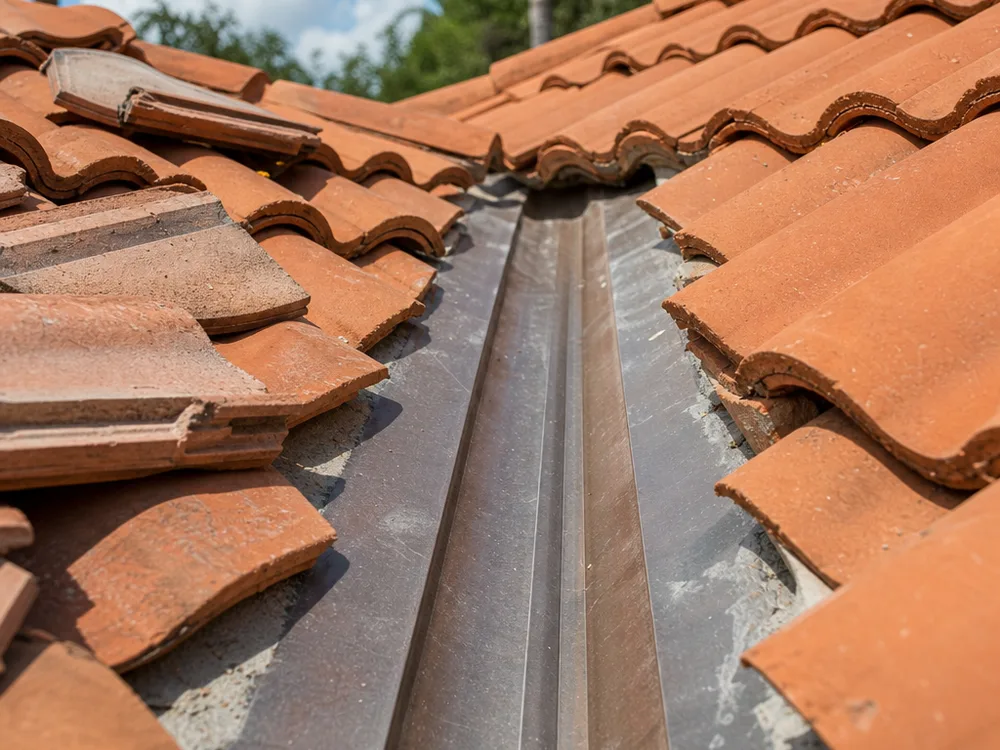
Careful diagnosis and repair
We trace the leak to the entry point, which is often uphill from the interior stain. Repairs are based on how water travels across tile systems, valleys, and flashing lines.
Tile roofs are not asphalt shingle roofs. We lift and reset tiles carefully, avoid unnecessary breakage, and keep courses and interlocks seated correctly.
You will get a written description of what is being repaired, where, and why. If we find related issues while inspecting, we discuss options before expanding scope.
After wind events, we look for displaced tiles, ridge or hip movement, and impact cracks that can be hard to spot from the ground.
In Northeast Florida humidity, small leaks can lead to wood deck damage and attic moisture problems. We aim to stop entry quickly and verify the surrounding area.
We start with what you are seeing inside—stains, drips, or a musty odor—and match it to roof geometry. Then we inspect field tiles, hips and ridges, valleys, flashing, and penetrations.
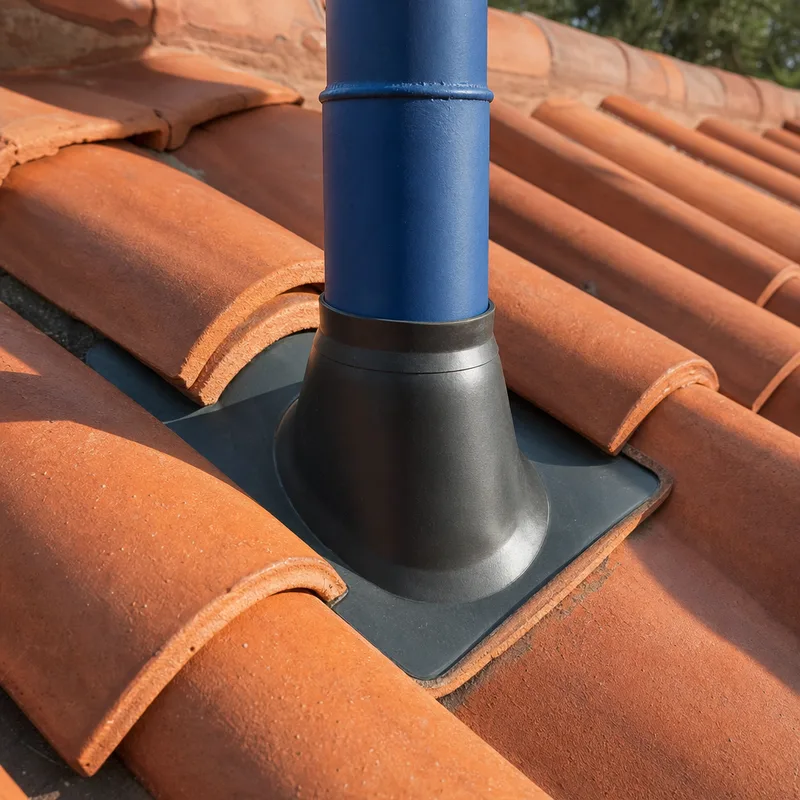
We confirm whether the issue is a broken or slipped tile, a transition detail such as a valley or sidewall, or a penetration. On tile systems, the leak is often at a detail rather than the open field.
You get a clear scope with recommended repairs and any alternatives, such as a targeted flashing repair versus broader rework of a problem area.
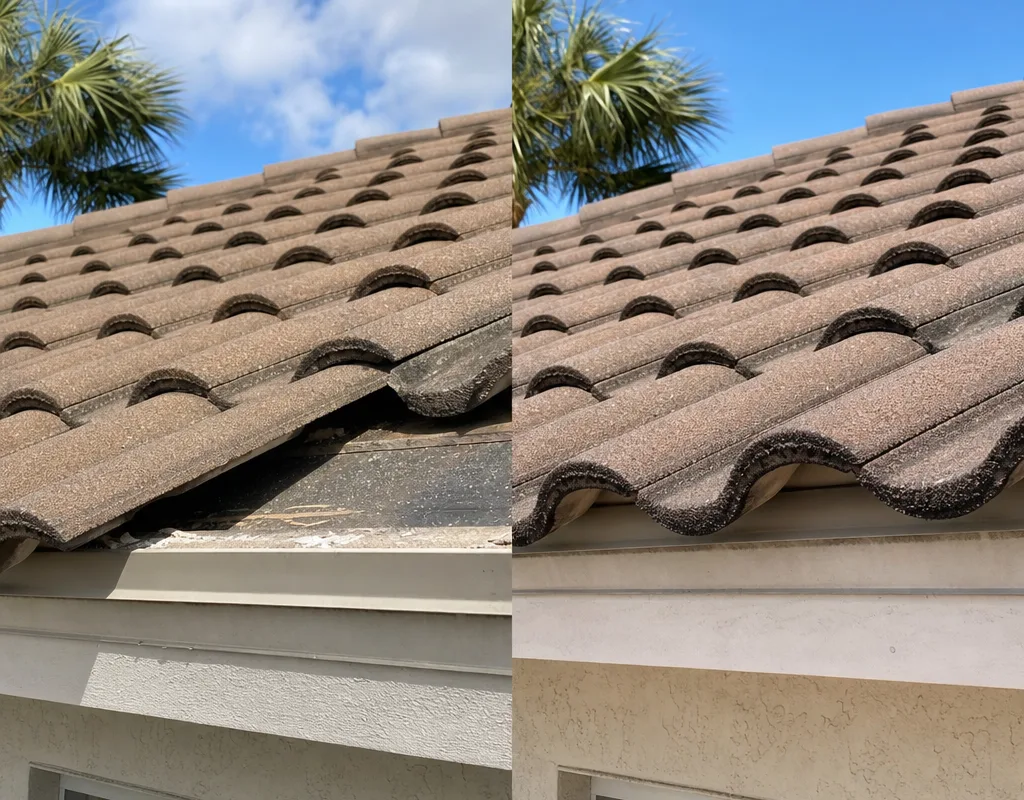
We replace damaged tiles, re-seat lifted courses, repair flashing details, and secure ridge or hip components as needed. We keep disruption tight to the affected zone.
We verify the repair area is properly seated, channels are clear, and surrounding tiles are stable. If we took photos during inspection, we can walk you through what changed.
Repair budget planning
Tile roof repair in Jacksonville typically ranges from about $350 to $1,500 for a small, localized fix, such as replacing a handful of tiles or repairing a single penetration. More involved repairs around valleys, extensive reset work, or hard-to-access areas often run $1,500 to $4,000+.
Your final price depends on roof height and pitch, tile type and availability, how many tiles must be lifted to reach the issue, flashing condition, and whether underlayment or decking needs spot repairs. The exact scope and cost are confirmed after an on-roof inspection.
Repair details
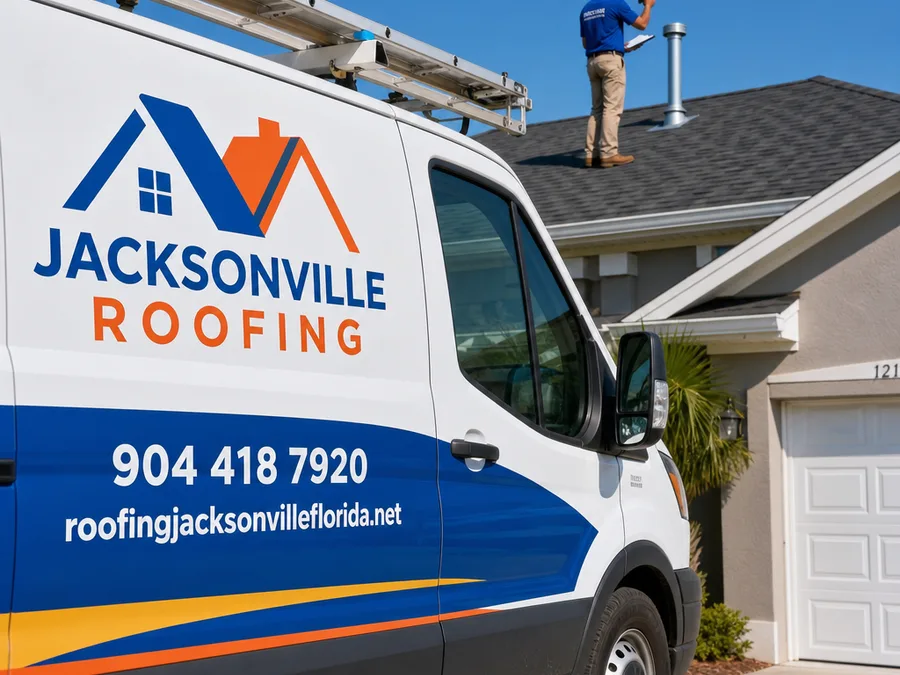
Jacksonville homeowner questions
Yes, many tile roof leaks in Jacksonville are repairable without full replacement when the problem is localized to a detail like flashing, a valley, a penetration, or a small number of damaged tiles. The key is confirming whether the underlayment and decking beneath the leak area are still in good condition and whether the surrounding tiles can be lifted and re-seated without widespread breakage.
We start by identifying whether the roof uses clay or concrete tile and then match the profile, size, and color as closely as possible. Exact matches can be harder on discontinued lines or heavily weathered roofs, so we may recommend pulling usable tiles from less-visible areas, when appropriate, and placing the closest match where it is most visible.
A tile roof commonly leaks because of failures at transitions where water concentrates, like valleys, sidewalls, and penetrations, or from slipped or broken tiles after wind events. In Jacksonville's heavy rain, wind-driven water can push into small gaps that would not leak during light showers, so a roof can appear fine until the right storm hits.
Yes, with tile roofs it is common for water to enter at one point and travel along underlayment, battens, or framing before it shows up as an interior stain. That is why we rely on roof geometry and detailed inspection instead of repairing the tile directly above the ceiling mark.
As soon as you notice a leak, missing tiles, or visible shifting, you should schedule an inspection because small openings can quickly lead to wet decking and mold risk in a humid climate. If you are near exposed corridors by the St. Johns River or open coastal winds, displaced tiles and ridge movement can happen even when damage is not obvious from the ground.
When conditions allow safe access, temporary water intrusion control may be possible, but tile roofs can be difficult to tarp effectively because of their profile and the need to avoid cracking tiles. The best next step is an inspection so we can choose the safest temporary measure and move to a permanent repair quickly.
Start with a clear inspection
Tell us what you are seeing and where. We will inspect the roof, explain the cause in plain language, and provide a written repair scope for your Jacksonville home.