A written scope that matches the roof you have
The estimate should spell out what is being replaced or installed, where new flashing is included, and how penetrations like vents and plumbing stacks will be handled.
Serving Jacksonville, Florida & surrounding areas
24/7 Response • Answered live
One call instead of ten No web forms, no callback spam Booking Fall & Winter 2026
Roof installation · Jacksonville, Florida
Get a new roof installed with a clear scope, clean jobsite habits, and materials selected for Northeast Florida heat, wind, and heavy rain.
✓ Skip the 3-hour Google rabbit hole — we’ve already done the vetting
✓ One conversation, not ten voicemails and seven web forms
✓ 24/7 response — talk to a real person who actually knows Jacksonville
Built for Northeast Florida
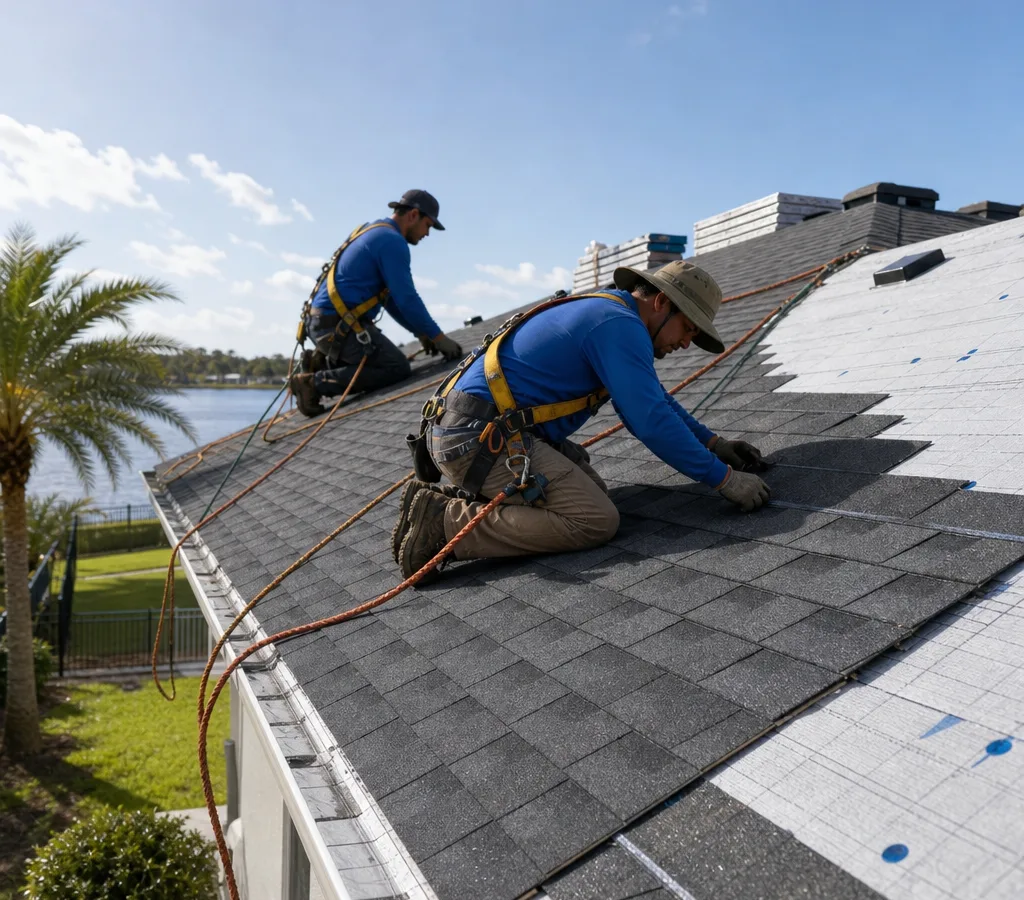
If you are searching for roof installation Jacksonville FL, you are usually balancing three things: long-term durability, a reasonable timeline, and confidence the work will pass inspection and perform in real weather.
At Roofing Jacksonville Florida, our roof installation work is planned around the conditions that matter in Jacksonville: intense sun that ages materials, sudden downpours that test flashing details, and wind events that punish weak fastening. A good install is less about sales talk and more about the basics done right, including a clean deck, correct underlayment, reliable ventilation, and flashing that is shaped and fastened to stay watertight.
We install roofing for homes and light commercial buildings across Jacksonville, and we keep the job straightforward: we inspect, write a clear scope, confirm material choices, protect landscaping and access areas, then install to manufacturer requirements and local building expectations. For a broader look at who we are and how we work, Roofing Jacksonville Florida shares our service area and what to expect when you reach out.
Professional installation standards
The estimate should spell out what is being replaced or installed, where new flashing is included, and how penetrations like vents and plumbing stacks will be handled.
You should know the difference between architectural shingles and other shingle profiles, what underlayment is going on the deck, and what accessories are included.
Roof ventilation, intake at the eaves, and exhaust near the ridge matter for attic temperature and moisture. The install should address these, not ignore them.
A roof install is disruptive for a day or two. Protecting entryways, keeping debris contained, and running magnets for nails should be standard.
Fastening patterns, drip edge, flashing at walls and chimneys, and proper sealing around penetrations should be installed so the roof performs and can be signed off.
System and material planning
A successful new roof starts with matching the system to the structure and the exposure.
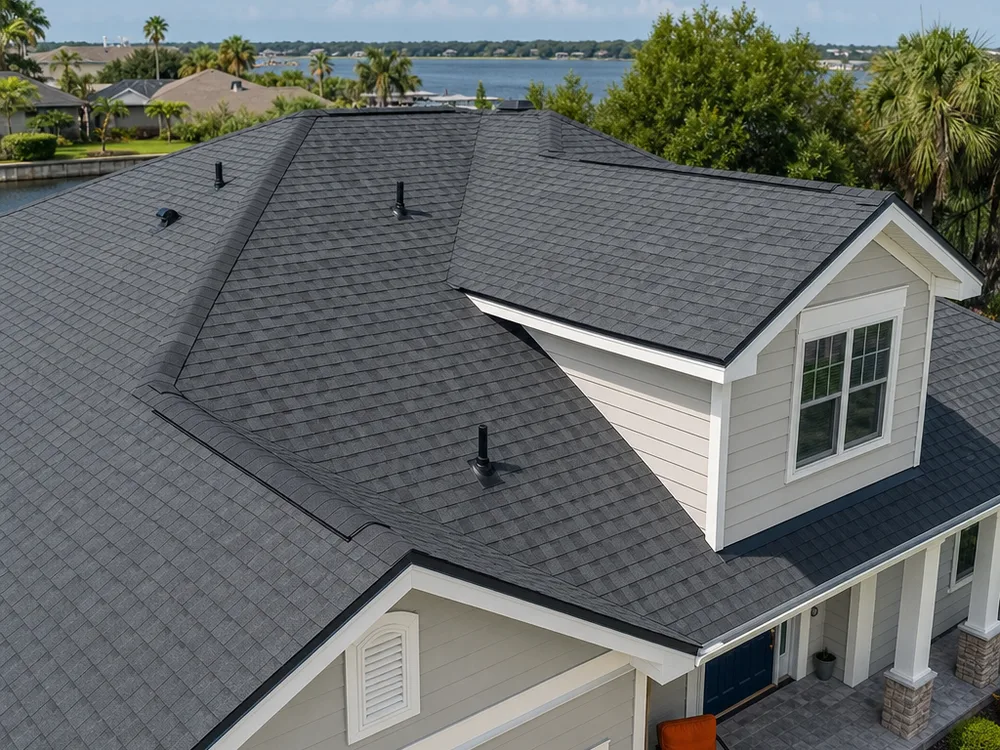
For many Jacksonville homes, architectural asphalt shingles are a practical choice because they balance cost, appearance, and straightforward repairs. For low-slope areas, transitions, or certain commercial roofs, the roof assembly may call for a membrane system rather than shingles. Either way, the details decide whether the roof stays dry: starter strips at the eaves, drip edge, valley protection, step flashing where a roof meets a wall, and correctly sealed penetrations.
Jacksonville also has a wide mix of housing styles. Older neighborhoods such as Riverside and Avondale often have complex rooflines and plenty of flashing points, so we put extra attention on valleys and wall transitions. In areas like Mandarin and Southside, you may see larger footprints and longer runs of ridge, which makes ventilation planning more noticeable. Near the beaches and Intracoastal communities, wind exposure and salt air can be harder on metal components, so we pay close attention to fastener choice and corrosion-resistant details.
If you already know you need a full tear-off versus going over an existing layer, we will confirm what is allowed and what is smart for your roof. When there is any doubt, a deck inspection after tear-off gives the clearest answer before the new system goes down.
We review roof geometry, access, pitch, penetrations, and any staining or soft areas that suggest deck issues or ventilation problems.
You get a clear plan for tear-off (if needed), underlayment, flashing, ventilation approach, and the shingle or roofing system specified for your roof.
Before work starts, we plan debris routes, protect landscaping where practical, and set up the job to keep foot traffic and cleanup manageable.
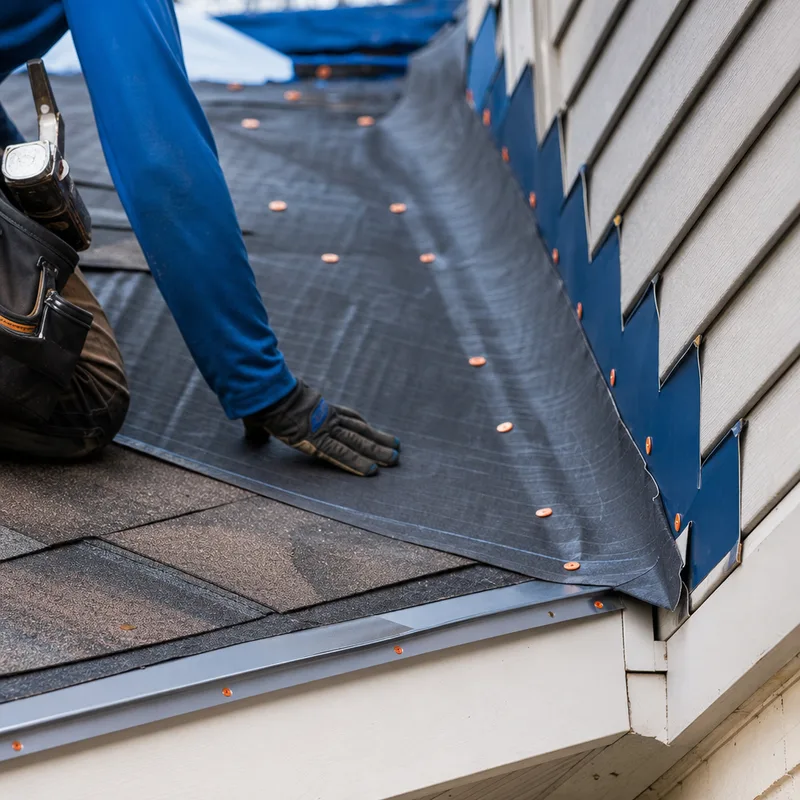
We install the roof system in the correct sequence: deck prep, underlayment, edge details, valleys, field roofing, ridge and ventilation components, then final sealing at penetrations.
We remove debris, do a magnetic nail sweep around work areas, and review the finished roof with you so you know what was installed and what to watch over time.
Budget planning
Roof installation in Jacksonville typically ranges from about $9,000 to $22,000+ for many single-family homes, with smaller straightforward roofs sometimes landing lower and larger or more complex roofs running higher. Material choice (shingle vs. specialty systems), roof size and pitch, tear-off layers, decking repairs, ventilation upgrades, and access for staging and dumpsters all affect price. The exact cost is confirmed after an on-site roof inspection and a written scope that matches your roof.
Project documentation
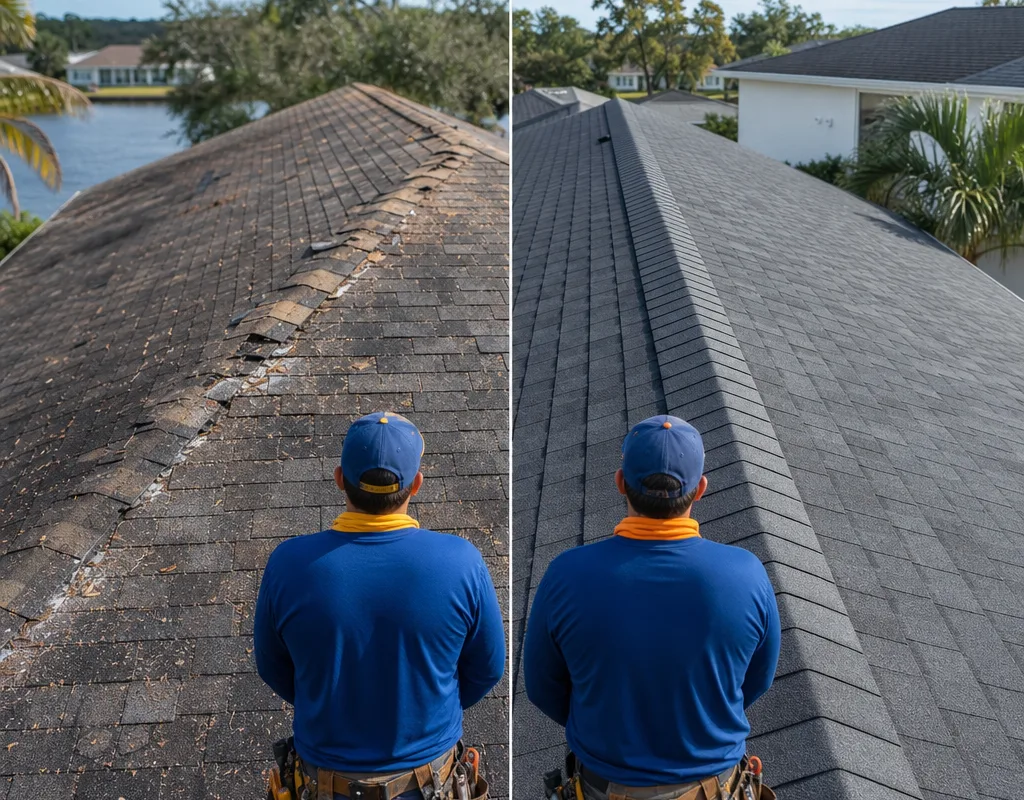
Homeowner questions
Many residential roof installations can be completed in 1 to 3 days once work begins, but timing depends on roof size, pitch, complexity, weather, and whether decking repairs are needed after tear-off. In Jacksonville, afternoon storms can pause work, so we plan sequencing and dry-in steps to keep the structure protected.
A roof replacement or new roof installation commonly requires a permit and inspection, and the requirements can vary based on the property and scope. We can walk you through what your project typically needs during the estimate so the roof is installed with inspection in mind.
A tear-off is often the better choice when you want the decking inspected, flashing updated, and the roof system installed as a clean assembly, especially if the existing roof is worn, uneven, or has leak history. Installing over an existing layer can sometimes be allowed in limited situations, but it can hide problems and complicate fastening and flashing details.
For many homes, architectural asphalt shingles are a solid fit because they are widely available, repairable, and cost-effective, but the best choice depends on roof pitch, exposure, and budget. In higher-exposure areas closer to the coast, corrosion-resistant components and correct fastening details become even more important regardless of the surface material.
A good roof installation estimate should list the roofing system being installed, tear-off and disposal (if applicable), underlayment type, flashing scope (valleys, walls, penetrations), ventilation approach, and cleanup. If any line item is vague, we tighten the scope in writing so you know what is and is not included before work starts.
Yes, when decking is found to be soft, delaminated, or otherwise unsuitable during tear-off, it should be replaced so the new roof has a solid fastening surface. We discuss how decking repairs are handled in the scope so there is a clear plan if issues are uncovered.
Start with an on-site inspection
Tell us what kind of roof you have and what problems you are trying to solve. We will inspect the roof, explain the best installation options for your building, and provide a clear scope and schedule.