Scope is itemized
Look for line items for tear-off, underlayment, flashing, ventilation, drip edge, and cleanup. A single lump sum makes it harder to compare bids.
Serving Jacksonville, Florida & surrounding areas
24/7 Response • Answered live
One call instead of ten No web forms, no callback spam Booking Fall & Winter 2026
Roof replacement costs · Jacksonville, Florida
Get a clear, written estimate that separates materials, labor, tear-off, and ventilation so you can compare bids on equal terms.
✓ Skip the 3-hour Google rabbit hole — we’ve already done the vetting
✓ One conversation, not ten voicemails and seven web forms
✓ 24/7 response — talk to a real person who actually knows Jacksonville
Jacksonville pricing guidance
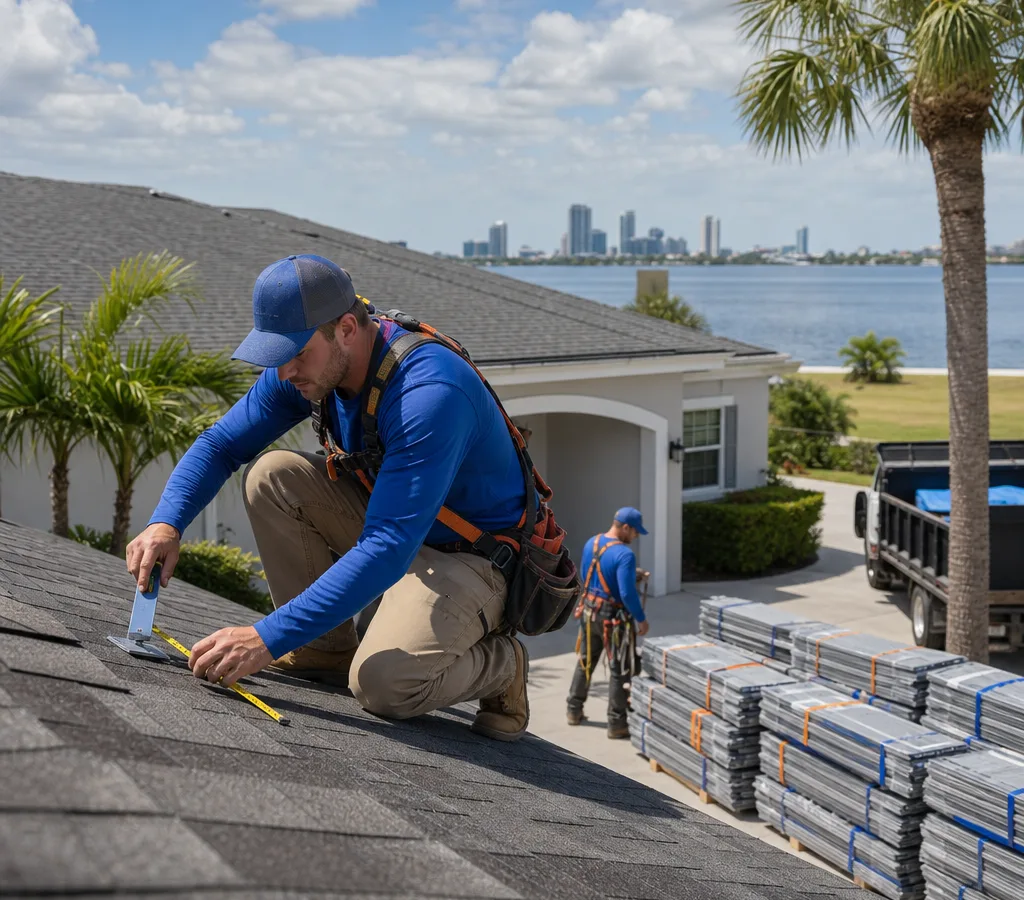
Roof replacement cost in Jacksonville, FL typically ranges from about $9,000 to $22,000+ for an average-size home, depending on roof size, pitch, tear-off layers, and material choice. Basic architectural shingles usually sit at the lower end, while heavier systems like metal, tile, or complex steep roofs trend higher.
Final price changes with decking repairs, flashing and ventilation upgrades, chimney or wall tie-ins, permit requirements, and site access for dumpsters and delivery. The exact cost is confirmed after an on-site measurement and roof inspection so the scope and numbers match what is actually on your home.
The biggest cost variables
If you are comparing estimates, the biggest price swings usually come from scope details that are easy to miss in a short quote.
Pricing starts with the number of squares (100 sq ft each), then moves up with steep slopes, multiple ridges and valleys, dormers, and tight access. A simple gable roof is faster and safer to work than a cut-up roof with lots of transitions.
Removing one layer of shingles costs less than removing multiple layers. Dump fees and load-out time are real line items, especially when the driveway or staging area is limited.
Once the old roof comes off, damaged plywood or OSB has to be replaced before underlayment goes down. Coastal Florida storms and long-term leaks can leave soft spots that are not fully visible until tear-off.
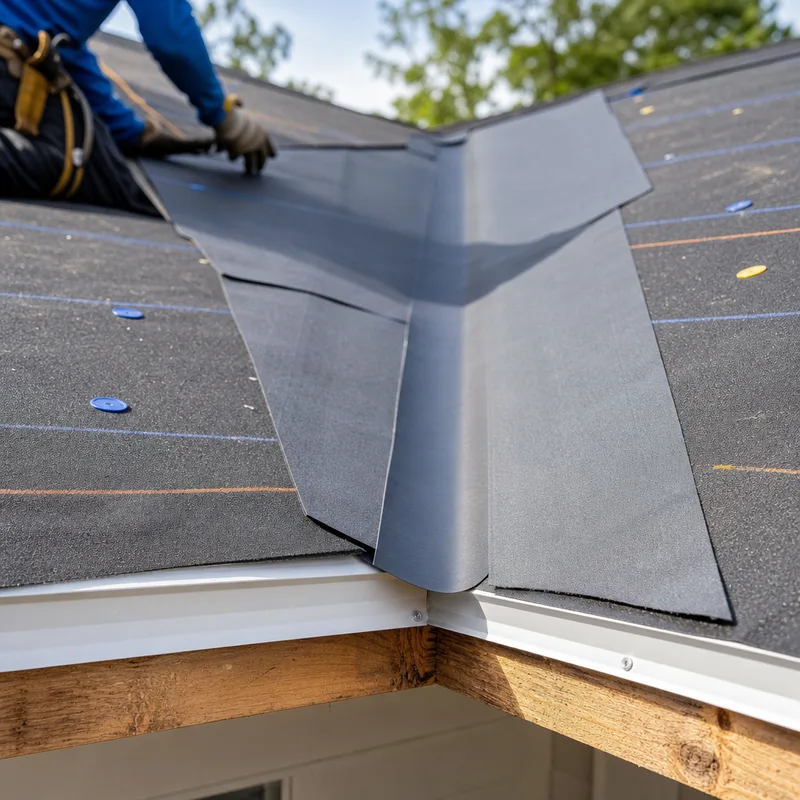
Synthetic underlayment, peel-and-stick membranes in valleys and around penetrations, and high-quality drip edge and flashing packages raise cost but also raise durability. Ask each bidder to spell out exactly what goes in valleys, around pipes, and at roof-to-wall transitions.
If a roof is replaced without adequate intake and exhaust ventilation, heat and moisture can shorten shingle life and raise attic temperatures. The right fix might be soffit intake work, ridge vent, or box vents depending on the house. This should be based on an attic and roof layout review, not a guess.
Architectural asphalt shingles are the most common choice for budget planning. Standing seam metal, tile, and specialty systems can cost more because of material pricing, specialized labor, underlayment requirements, and longer installation time.
Florida roofing work often involves permitting and inspection. Your estimate should state who pulls the permit, what is included, and what documentation you receive at closeout.
Comparable written scopes
A good estimate lets you compare scope, not just a total number. Roofing Jacksonville Florida typically quotes roof replacements with a written scope that breaks out the work that affects cost and performance.
What we document during the visit:
Homes near the river and Intracoastal areas, such as San Marco and parts of Beach Haven, can see more wind-driven rain during storms. That makes clean flashing and water-shedding details worth spelling out in the scope. In Arlington and Mandarin, a mix of older and newer roof geometries means measured complexity matters as much as square footage.
If you want general information about our company and service area, roofing in Jacksonville FL gives a quick overview without burying you in sales talk.
Compare the whole scope
Look for line items for tear-off, underlayment, flashing, ventilation, drip edge, and cleanup. A single lump sum makes it harder to compare bids.
Shingle brand and line, underlayment type, and flashing metals should be written down. “Architectural” alone is not a specification.
A realistic plan for plywood or OSB replacement avoids surprise change orders. The quote should state how decking repairs are handled.
Pipe boots, vents, skylights, and chimney or wall tie-ins are common leak points. Each should be included, not assumed.
Balanced intake and exhaust should be discussed. If the estimate ignores ventilation, you may be paying for a roof that runs hot.
Landscaping, driveways, and siding need protection. Cleanup should include magnetic nail sweeping and debris removal.
Inspection to completion
We measure the roof, check slopes and transitions, and document penetrations and edges. We also look for signs of trapped moisture and prior repairs so the scope matches what you have.
You get a written estimate with material and scope options when they make sense, including underlayment and ventilation upgrades. This is the point where you can compare apples to apples with other bids.
Once you approve the scope, we coordinate permit steps when required and schedule delivery and tear-off. Jacksonville weather changes fast, so we plan for dry-in timing and staging.
After tear-off, we check decking condition before installing underlayment. Any needed decking replacement is documented so you know what changed and why.
We install the selected roofing system, then finish the leak-prone areas: valleys, flashings, vents, and edge metal. Cleanup includes debris haul-off and nail pickup.
Jacksonville homeowner experiences
“We got three quotes and this was the only one that clearly listed tear-off, flashing work, and what would happen if bad decking showed up. The final invoice matched what was written, and the cleanup was thorough.”
“After the inspection they explained why our valleys needed a different underlayment than the rest of the roof. The pricing made sense once it was itemized, and we felt comfortable signing.”
Budget questions answered
The gap usually comes from scope differences: tear-off layers, flashing details, underlayment type, ventilation work, and how decking repairs are handled. One bid may price a basic re-roof while another includes upgrades or code-related items that reduce leak risk. The fastest way to compare is to line up what is included at valleys, penetrations, and roof-to-wall areas, plus the plan for any rotten decking discovered at tear-off.
Yes, decking replacement can change the total because it adds material and labor that cannot be fully confirmed until the old roof is removed. A solid estimate explains how decking is priced, per sheet or per area, and how approval works if replacement is needed. In Jacksonville's storm-prone climate, it is common to find localized damage near prior leaks, around chimneys, and at valley lines.
Sometimes scheduling is easier outside peak storm months, but pricing is still driven mainly by material costs, roof complexity, and required scope. If you are planning ahead, the bigger advantage can be flexibility on start dates and better coordination for permitting, deliveries, and dry-in days around weather.
Material choice can shift cost substantially: architectural asphalt shingles are usually the baseline, while standing seam metal and tile systems are typically higher due to material pricing and specialized installation details. Even within asphalt, differences in underlayment, starter, ridge cap, and ventilation package can move the number. The best choice depends on your roof shape, budget, and what matters most to you, including longevity, appearance, wind performance, or maintenance.
Many residential replacements are completed in 1 to 3 days, but complex roofs, steep pitches, and decking repairs can extend the timeline. Longer duration can increase labor cost, and weather delays can add staging and protection time. In Jacksonville, planning for sudden rain is part of the job, so dry-in steps and on-site material handling are important parts of the scope.
A budget-ready quote should list tear-off and disposal, underlayment type, flashing and drip-edge scope, ventilation plan, penetrations such as pipe boots, vents, and skylights, and a clear approach for decking repairs. It should also state permit responsibility when required and describe cleanup. If any of those are missing, the total may look lower but you are not comparing the same roof.
Start with an on-site measurement
Schedule an on-site measurement in Jacksonville and get a written scope that breaks out the work that actually drives cost: tear-off, materials, flashing, ventilation, and any likely repair allowances.