Source finding, not guesswork
We trace the leak to the actual entry point using roof-surface checks, attic observation when accessible, and close inspection of penetrations, transitions, and flashing details.
Serving Jacksonville, Florida & surrounding areas
24/7 Response • Answered live
One call instead of ten No web forms, no callback spam Booking Fall & Winter 2026
Roof leak repair · Jacksonville, Florida
When water shows up where it shouldn't, time matters. Get a fast inspection, a clear written scope, and durable repairs that hold up to Northeast Florida rain and wind.
✓ Skip the 3-hour Google rabbit hole — we’ve already done the vetting
✓ One conversation, not ten voicemails and seven web forms
✓ 24/7 response — talk to a real person who actually knows Jacksonville
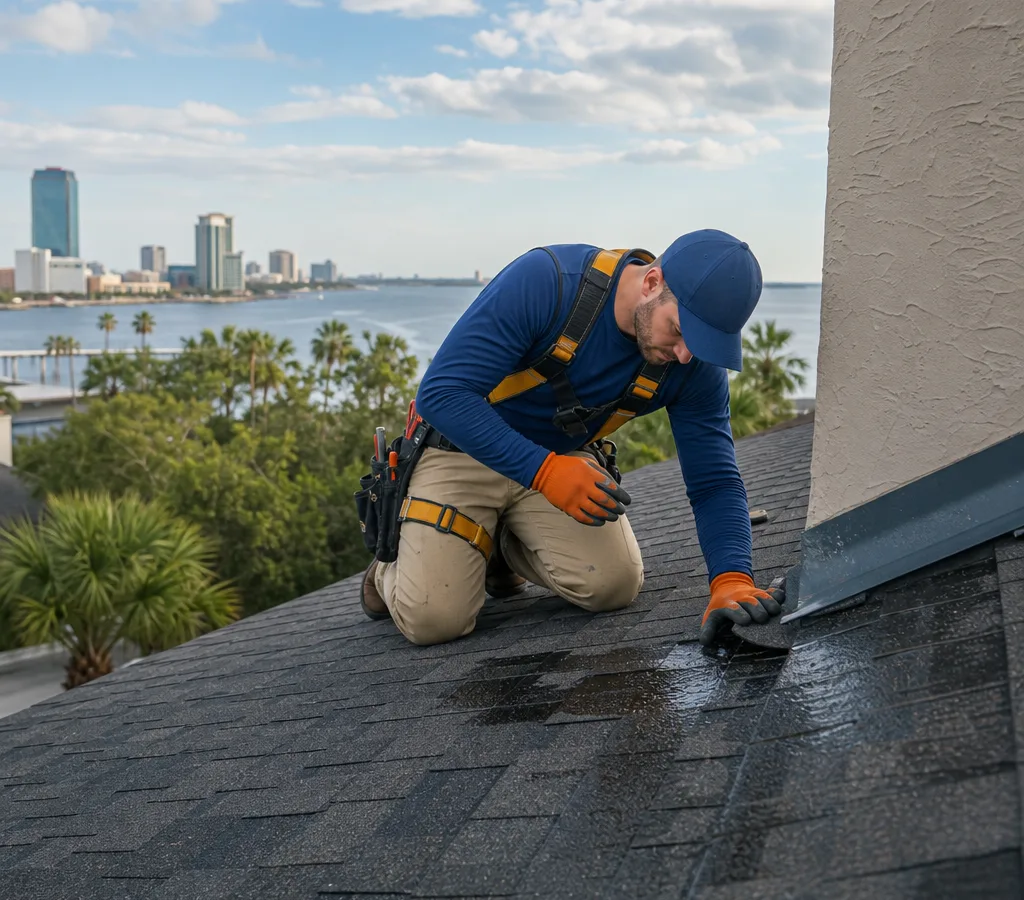
Early diagnosis matters
If you searched for Jacksonville roof leak repair, you're likely seeing stains on a ceiling, damp drywall, bubbling paint, a musty smell in the attic, or water dripping during a storm. Roof leaks rarely stay small. Water can travel along decking and rafters before it shows inside, so the visible spot is not always the source.
Roofing Jacksonville Florida provides roof leak repair for homes and commercial buildings in Jacksonville, FL. We start by finding the true entry point, then recommend the least invasive fix that solves the problem. You get straightforward options, photos when possible, and repair work that matches your roof system—shingle, flat or low-slope, or metal.
Jacksonville weather puts roofs through cycles of hard rain, high humidity, and wind-driven storms. That combination can open vulnerable points like pipe boots, wall flashings, valleys, and low-slope seams. A proper repair addresses the failure point and surrounding details so the next storm does not find the same weakness.
Repair standards
We trace the leak to the actual entry point using roof-surface checks, attic observation when accessible, and close inspection of penetrations, transitions, and flashing details.
Asphalt shingles, modified bitumen, TPO, and metal all fail in different ways. We use the correct patching, sealing, and flashing methods for the material you have.
You should know what is being repaired, what materials are used, and what areas are excluded before work starts. We keep the scope specific so you can compare fairly.
In Jacksonville, trapped moisture can create rot and mold risk. We look for saturated decking, soft spots, and ventilation issues that can make a leak worse over time.
We protect landscaping and walkways, manage debris, and clean up nails and removed materials so the repair does not leave a mess behind.
Leak diagnostics
Most leaks come from transitions and penetrations, not the middle of a field of shingles. During an inspection we pay special attention to details that fail under wind-driven rain.
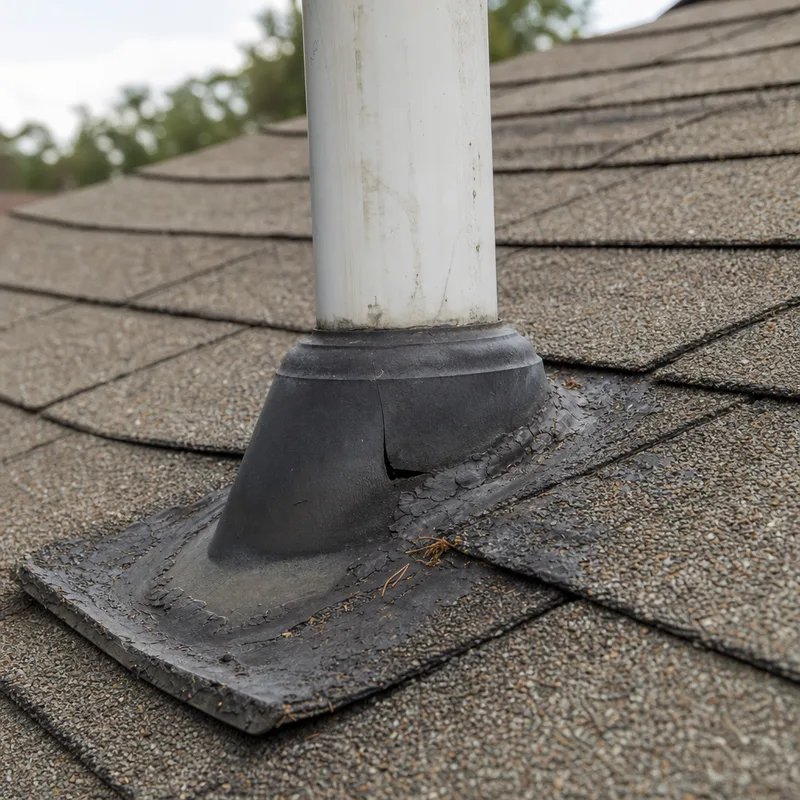
Typical leak sources include:
Neighborhoods around Jacksonville can present different leak patterns. Older homes in areas like Riverside and Avondale often have multiple roof-to-wall transitions and additions that create extra flashing lines. Coastal exposure near Atlantic Beach can mean more wind-driven rain and faster corrosion at metal details. Newer builds in parts of Southside frequently have complex rooflines with many penetrations for vents and exhausts. Wherever you are, the fix comes down to isolating the entry point and rebuilding that detail correctly.
If you are comparing providers, start with a contractor that focuses on diagnosis and documentation. You can also get a feel for our approach and coverage through Roofing Jacksonville Florida.
We start with the symptoms you see inside and what happens during rain—steady drip, only in wind, or only after long storms. That helps prioritize likely areas and plan access.
We inspect flashings, penetrations, valleys, edges, and previous repair patches. When safe and accessible, we check the attic for wet decking, staining patterns, and daylight at penetrations.
You get a clear explanation of the most probable entry point and repair approach. If there are multiple potential sources, we explain how we will isolate them.
We replace failed components, reset or rebuild flashing details, and repair damaged shingle or membrane areas. We avoid surface-only caulk jobs when a detail needs to be rebuilt.
After repairs, we review what was done and what to watch for during the next storm. If interior materials were affected, we can advise on drying and when it is safe to close up drywall.
Repair cost guidance
Jacksonville roof leak repair typically ranges from about $250 to $1,200 for targeted repairs, while larger or harder-to-access leaks—complex flashing rebuilds, multiple leak points, or low-slope seam work—can run $1,200 to $3,000+. Simple fixes like replacing a pipe boot or a small shingle repair are usually at the lower end, and chimneys, valleys, skylights, and flat-roof transitions tend to cost more.
Your price depends on roof type, pitch and access, how many areas must be opened to locate the leak, material matching, and whether decking or underlayment needs replacement. The exact cost is confirmed after an on-site inspection and written scope.
Jacksonville homeowners
“We had a leak that only showed up during heavy rain and it kept staining the same ceiling corner. They traced it to a flashing issue higher up the roofline, fixed it, and explained what they did with photos. The next storm came through and the ceiling stayed dry.”
“Straightforward process and clear scope. The crew showed up when they said they would, repaired the vent boot and a small area near the valley, and cleaned up well. No more drips in the hallway.”
Homeowner questions
Response time depends on weather and workload, but leak situations are prioritized because interior damage can spread quickly in humid Jacksonville conditions. Share when the leak occurs—only in wind, during heavy rain, or after long storms—so we can plan the inspection and bring the right materials.
No. Many leaks start at flashings and penetrations like pipe boots, wall intersections, chimneys, skylights, and low-slope terminations. Water can also travel along decking before it shows up inside, which is why accurate source finding matters.
Yes. Flat and low-slope roofs typically leak at seams, penetrations, transitions, and drainage areas, and the repair method depends on the membrane type. The right fix is usually a seam or termination repair or flashing rebuild, not a generic surface seal.
Often, yes, if it is safe and accessible. Attic inspection can reveal staining patterns, wet decking, and the direction water traveled, which helps pinpoint the entry point. If attic access is limited, we focus more heavily on roof-surface diagnosis and the building's roof geometry.
Temporary protection is sometimes appropriate when active weather is coming through and a permanent repair cannot be completed immediately. We will explain what a temporary measure can and cannot do, and follow up with a permanent repair plan as soon as conditions allow.
Move belongings away from the area and catch water in a container, then try to limit spreading by placing towels and turning off power to affected ceiling lights or nearby outlets if you suspect water is reaching electrical components. After that, the next step is a roof inspection to locate the entry point and stop it at the source.
We confirm by completing a repair that addresses a specific failure point, such as replacing a cracked pipe boot or rebuilding a flashing detail, and checking surrounding areas for secondary issues. In some situations, controlled water testing can help verify the repair when conditions make it practical and safe.
We aim to match materials as closely as possible, but exact color matches can be affected by age and sun exposure. Function comes first, and we will discuss material availability and the best visual match during the estimate.
Stop water at the source
Tell us what you are seeing and when it happens. We will schedule an inspection in Jacksonville, identify the true source, and provide a written scope for the repair so you can stop the water before it causes more damage.