Inspection that goes beyond the surface
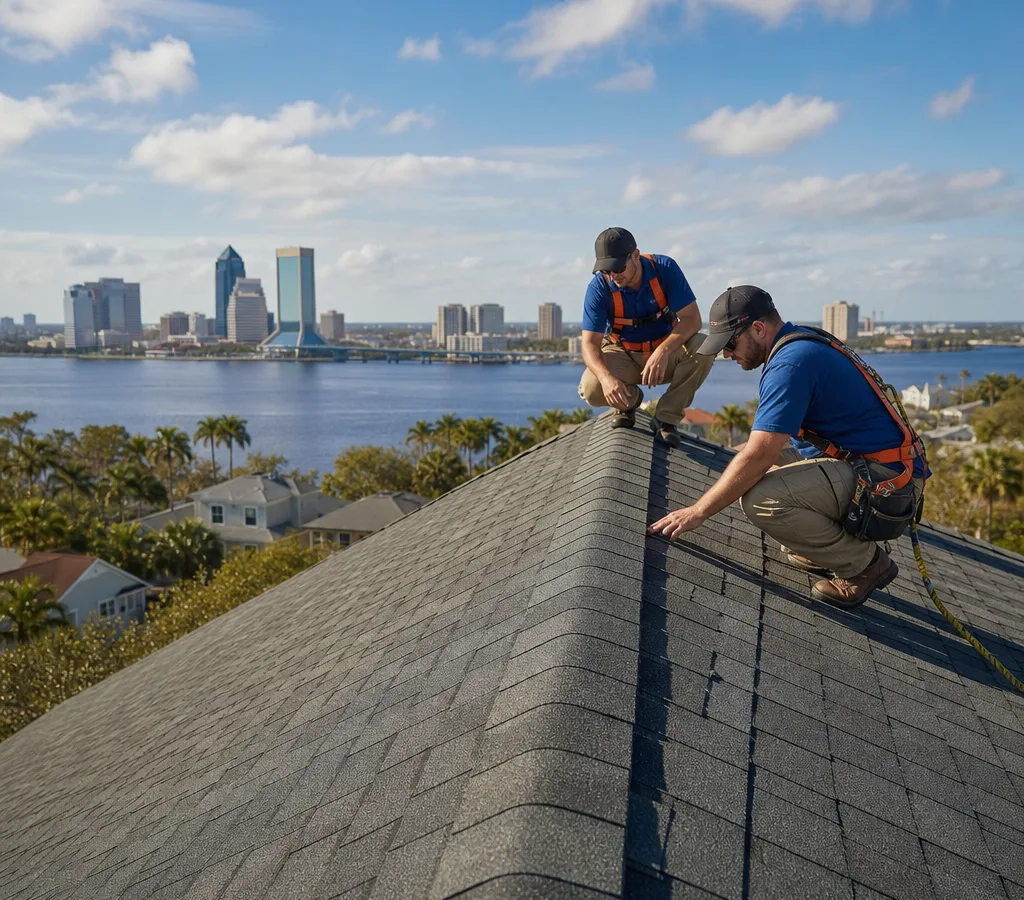
A real inspection includes roof planes, penetrations, flashing, valleys, gutter edges, and attic signals when accessible. You get specific findings, not a generic recommendation.
Serving Jacksonville, Florida & surrounding areas
24/7 Response • Answered live
One call instead of ten No web forms, no callback spam Booking Fall & Winter 2026
Residential roofing service · Jacksonville, Florida
Get a clear assessment of your roof's condition, options that fit your home, and a written scope you can compare with confidence before any work starts.
✓ Skip the 3-hour Google rabbit hole — we’ve already done the vetting
✓ One conversation, not ten voicemails and seven web forms
✓ 24/7 response — talk to a real person who actually knows Jacksonville
Inspection-led guidance
When you search for residential roofing companies Jacksonville FL, you are usually trying to solve one of two problems: you need a roof fixed fast, or you need a plan for a roof that is nearing the end of its life. Either way, the best outcome comes from the same first step: a thorough inspection that ties visible symptoms—missing shingles, stains, granules in gutters, or soft decking—to the actual cause.
Roofing Jacksonville Florida helps homeowners across Jacksonville make the right call on repairs versus replacement, choose materials that fit local conditions, and understand what the crew will do on your property each day. You should expect straight answers, photos of what was found, and a scope that spells out the work in plain language.
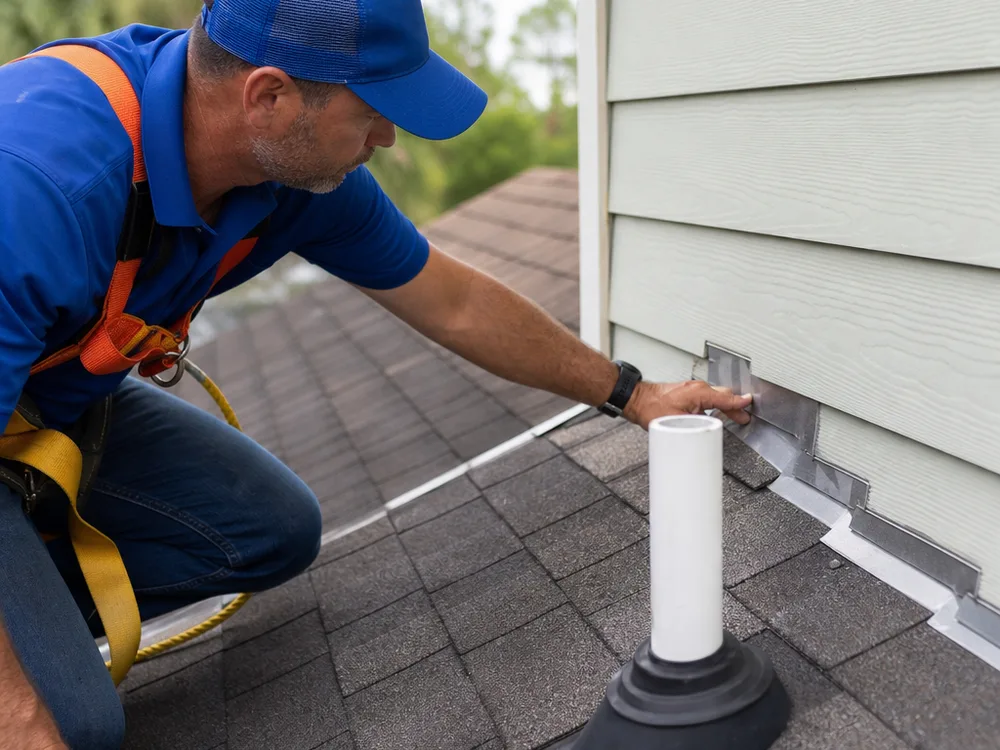
Jacksonville's coastal humidity, intense sun, and seasonal storm risk all add up to faster wear on common roof systems, especially where flashing details and attic ventilation are weak. Even a small leak around a pipe boot or step flashing can show up as ceiling staining far from the entry point. A qualified residential roofer traces the path, checks the deck and underlayment condition, and verifies that penetrations, valleys, and transitions are properly detailed.
If you want a quick introduction to who we are and how we work, Roofing Jacksonville Florida is the team behind this service.
Dependable residential roofing
A real inspection includes roof planes, penetrations, flashing, valleys, gutter edges, and attic signals when accessible. You get specific findings, not a generic recommendation.
Line items should state what gets removed, what gets replaced, how flashing is handled, and what is protected on the property. Clear scope prevents mismatched bids.
Shingle type, underlayment, ventilation approach, and flashing metals should match roof pitch, tree cover, and exposure. The cheapest option is rarely the best fit.
Protect landscaping, manage debris daily, use magnets for fasteners, and leave the site safe at the end of each day. Homeowner cleanup should not be part of the plan.
If the roof has life left, a targeted repair with corrected flashing and sealed penetrations can be the right decision. A good roofer explains why a repair will hold, or why it will not.
Inspection, repair, and replacement
Residential roofing companies in Jacksonville, FL are typically asked to do three kinds of work: inspections, repairs, and full replacements. Within those categories, the details matter.
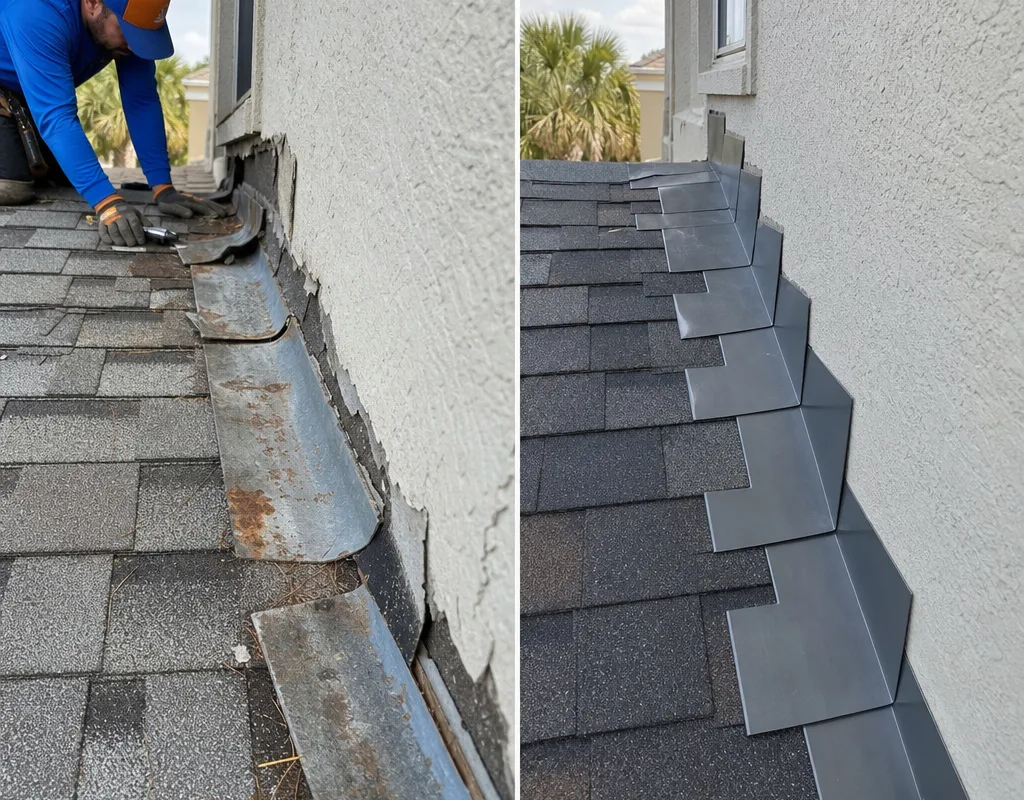
Inspections and leak diagnostics: We document likely entry points, check transitions—walls to roof, dormers, and chimneys where present—and inspect penetrations like plumbing vents and exhaust terminations. We also look for workmanship issues that often cause chronic leaks, such as poorly seated flashing, exposed fasteners, or incorrect sealing.
Repairs: Common repair scopes include replacing damaged shingles, reworking step flashing at roof-to-wall areas, replacing pipe boots, correcting valley issues, and repairing decking when rot is localized. A repair should address the cause, not just the symptom.
Replacement planning: When replacement is the right move, we walk through tear-off versus recover where permitted, underlayment and flashing details, ventilation strategy, and the protection plan for landscaping and driveways. We also explain what you should expect during the noisy parts of the project and how the crew keeps the home watertight if weather changes.
Local note: Homes near the river and coastal side of the metro often see heavier wind-driven rain, so flashing and edge details matter as much as the field shingles. For older neighborhoods with mature tree cover, debris in valleys and gutter lines can accelerate wear if maintenance is inconsistent.
Inspection to walkthrough
Tell us what you have noticed—leak location, missing shingles, sagging, granules, or age if known—and whether the issue is active. This helps set the right inspection approach.
We inspect the roof system and critical details, then provide straightforward notes and photos. If a repair is appropriate, we outline exactly what gets corrected.
You receive a scope that distinguishes repair versus replacement, specifies materials at a usable level—not vague labels—and defines the work areas and protections.
Before work begins, you know what areas need access, where materials and dumpsters can go, and what to move or protect. We coordinate around weather as needed.
After completion, we review the work areas, confirm cleanup, and answer questions about maintenance and what to watch for after heavy rain.
Budget planning
Most Jacksonville residential roofing projects typically range from about $350 to $1,500 for common repairs, while a full roof replacement often lands around $9,000 to $22,000+ depending on roof size, pitch, material, and how much decking or flashing needs replacement.
Your final price changes with access and safety setup, the number of penetrations and valleys, the condition of underlayment and decking, and the material system you choose—for example, architectural shingles versus specialty products. The exact cost is confirmed after an on-site inspection and a written scope.
Workmanship details
Homeowner questions
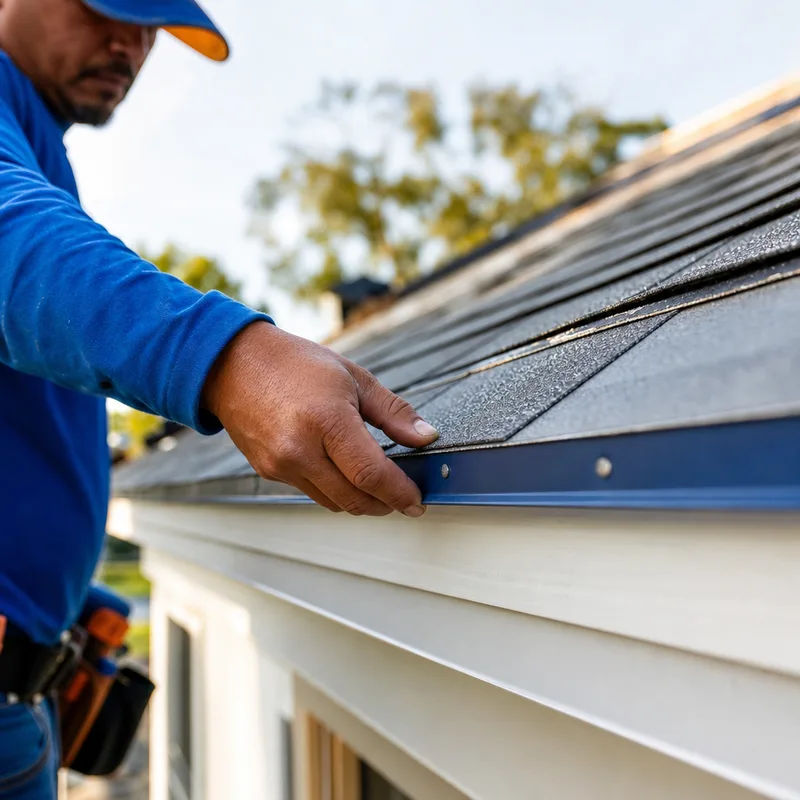
Compare scopes first, then price, because two bids can look similar while covering different work. Make sure each proposal states what is removed, how flashing and penetrations are handled, whether any decking replacement is included or priced separately, how the property is protected, and what cleanup looks like. In Jacksonville, wind-driven rain makes flashing details and edge protection especially important, so vague language like “reflash as needed” should be clarified.
You usually need a repair when the issue is localized and the surrounding shingles, underlayment, and decking are still sound; you usually need replacement when there are widespread failures, repeated leaks in multiple areas, or brittle shingles with significant loss of protective granules. An inspection should identify whether the leak is caused by a single detail, like a pipe boot or step flashing, or a system-wide aging problem.
Many residential replacements take 1 to 3 days on-site, but the timeline depends on roof complexity, weather, and whether decking needs replacement. In Jacksonville, scheduling often needs flexibility around storm forecasts, and a good contractor plans daily stopping points so the home stays watertight if conditions change.
Asphalt shingles are common for residential roofs, with architectural shingles frequently chosen for durability and appearance. Material selection should account for roof pitch, shade from tree cover, and exposure to sun and wind, and the scope should specify underlayment and flashing details, not just the shingle brand or color.
Yes, but it requires a methodical inspection because water can travel along decking, rafters, or insulation before showing inside. The right approach is to trace likely entry points uphill from the stain, inspect penetrations and flashing transitions, and look for secondary signs like rusted nail tips, damp insulation, or staining patterns in the attic when accessible.
Move vehicles out of the driveway if it will be used for staging, secure fragile items on walls and shelves, and plan to keep pets inside or away from the work zone. If you have attic access, make sure it is clear so the inspector can check for moisture signals and ventilation concerns.
Start with a clear inspection
Tell us what you are seeing and what kind of roof you have. We will inspect, document the findings, and provide a written scope so you can make a decision that fits your home and budget.